

Why FHE matters for compliance in 2026
The regulatory landscape for data privacy is undergoing a structural shift as jurisdictions tighten their requirements for data protection. Traditional encryption methods effectively secure data at rest and in transit, but they leave a significant gap: data in use. When sensitive information is decrypted for processing, it becomes vulnerable to interception, insider threats, and unauthorized access. This vulnerability is particularly acute in 2026, where regulatory bodies like the EU under GDPR and the US under HIPAA are increasingly scrutinizing how organizations handle personal health information and personal data during active computation.
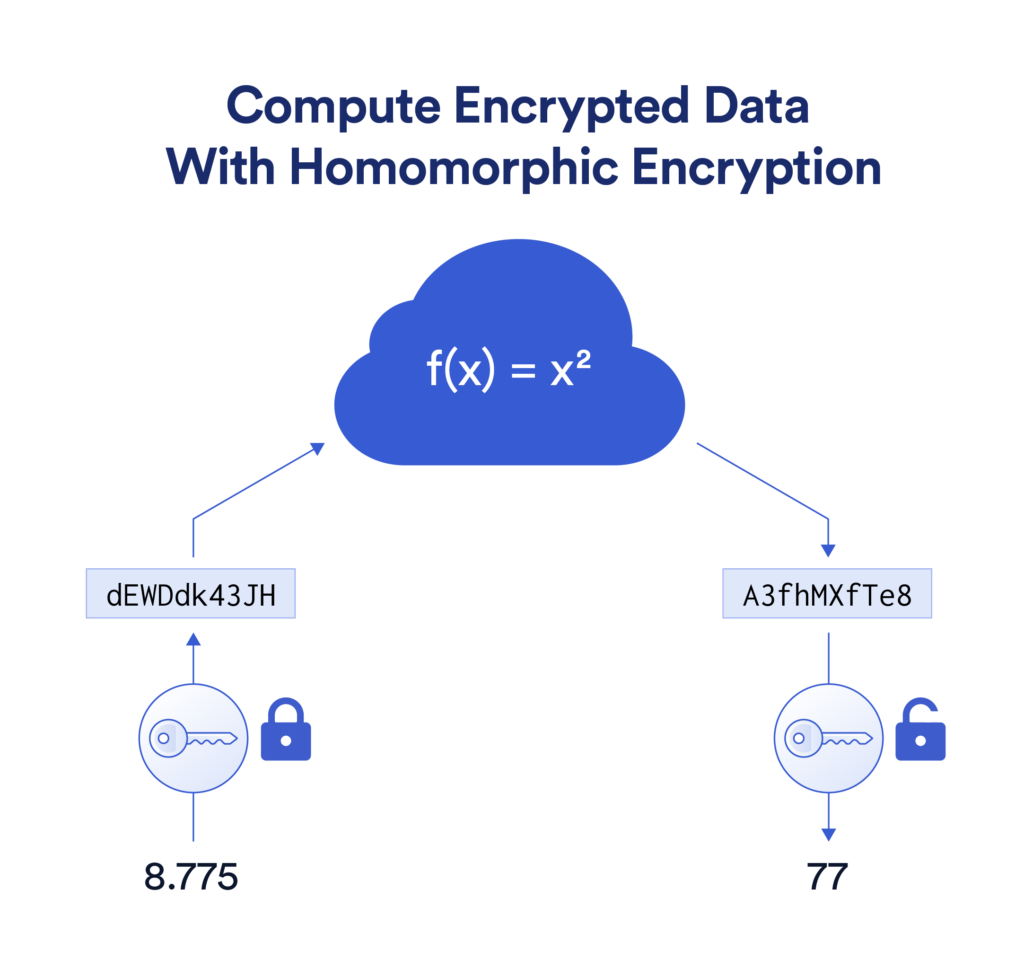
Fully Homomorphic Encryption (FHE) addresses this gap by enabling computations directly on encrypted data. This means that data can remain encrypted throughout its entire lifecycle, including during processing and analysis. For legal and compliance professionals, this represents a tangible shift from theoretical cryptography to practical utility. FHE allows organizations to perform necessary analytics on sensitive datasets without ever exposing the underlying plaintext, thereby reducing the attack surface and aligning with the principle of data minimization.
The practical application of FHE is gaining traction in high-stakes environments. Recent research, including papers from the IACR, highlights the efficiency improvements in privacy-preserving analytics, making FHE more viable for real-world compliance scenarios [src-serp-1]. As of March 2026, the technology is increasingly viewed as a core component for secure data processing in AI and blockchain applications [src-serp-3]. This evolution allows organizations to meet stringent regulatory requirements without sacrificing the ability to derive insights from their data, effectively bridging the divide between privacy and utility.
Aligning fully homomorphic encryption with GDPR principles
The General Data Protection Regulation (GDPR) mandates strict adherence to data minimization and purpose limitation. Under Article 5(1)(c), organizations must ensure that personal data is adequate, relevant, and limited to what is necessary for the purposes for which it is processed. Traditional encryption often requires decryption for processing, which can inadvertently expose data beyond its intended scope. Fully Homomorphic Encryption (FHE) addresses this by allowing computations to occur directly on encrypted data, ensuring that the data remains protected throughout the entire lifecycle of the analysis.
This technical capability aligns closely with the principle of purpose limitation. By keeping data encrypted during processing, FHE prevents unauthorized access or misuse of personal information while it is being analyzed. This is particularly relevant for cross-border data transfers and third-party analytics, where maintaining control over data usage is critical. The European Union’s framework emphasizes that privacy by design should be integrated into the core of technological systems. FHE serves as a concrete technical control that supports this mandate, reducing the risk of data breaches during computational phases.
However, FHE is not a standalone solution for compliance. The computational overhead associated with FHE can be significant, potentially impacting performance and scalability. Organizations must balance these technical constraints with regulatory requirements. As noted in recent research from the International Association for Cryptologic Research (IACR), efficient privacy-preserving analytics with FHE remain an active area of development, with ongoing efforts to reduce computational costs while maintaining security guarantees.
As of March 2026, regulatory frameworks continue to evolve. Legal professionals must evaluate how FHE integrates with existing data governance frameworks. The technology offers a robust mechanism for enforcing privacy constraints, but it must be implemented within a broader legal context. Official sources, including HomomorphicEncryption.org, provide guidelines on best practices for deploying FHE in regulated environments. These resources emphasize the importance of auditing encryption implementations to ensure they meet the specific requirements of the GDPR and other applicable jurisdictions.
HIPAA Safeguards for Protected Health Information
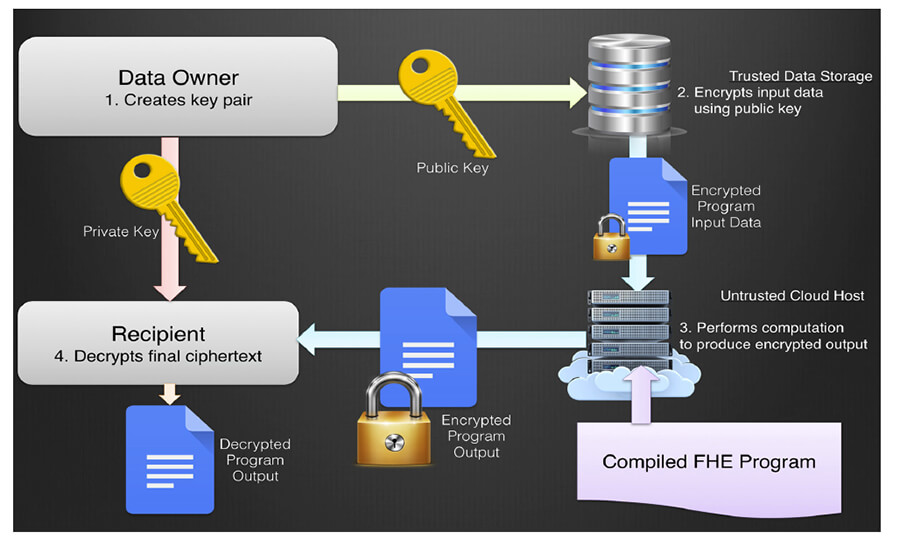
The HIPAA Security Rule requires covered entities and business associates to implement technical safeguards that protect electronic protected health information (ePHI) from unauthorized access and disclosure. Traditional encryption methods typically require data to be decrypted in memory to be processed, creating a vulnerability window where sensitive health data is exposed to potential interception or insider threats. Fully Homomorphic Encryption (FHE) addresses this by allowing computations to be performed directly on encrypted data, ensuring that ePHI remains encrypted throughout its entire lifecycle, including during processing in cloud and AI environments.
Under the HIPAA Security Rule, technical safeguards include access control, audit controls, integrity controls, and person or entity authentication. FHE aligns with these requirements by inherently providing data integrity and confidentiality. Since the data remains encrypted during computation, there is no risk of exposure through memory dumps, logging errors, or unauthorized administrative access. This capability is particularly critical for healthcare entities leveraging third-party cloud providers or artificial intelligence models for diagnostic support, where data must remain under the control of the covered entity while still being usable for analysis.
As of March 2026, regulatory emphasis continues to grow on robust encryption standards in hybrid cloud architectures. While HIPAA does not mandate specific encryption algorithms, it requires that encryption be "reasonable and appropriate" given the size, complexity, and cost of the entity. FHE offers a forward-looking solution that meets this standard by eliminating the need to decrypt data for processing. This approach reduces the attack surface and simplifies compliance audits, as the data is protected at rest, in transit, and in use. For legal professionals advising healthcare organizations, FHE represents a tangible method to demonstrate due diligence in protecting ePHI against evolving cyber threats.
Official guidance from the Department of Health and Human Services (HHS) encourages the adoption of advanced encryption technologies to enhance security posture. Resources such as HomomorphicEncryption.org provide technical documentation on the current state of FHE implementations, while papers from the International Association for Cryptologic Research (IACR) detail the mathematical foundations that make this possible. Healthcare entities considering FHE should evaluate their specific workflows to determine where encrypted computation can replace traditional decryption steps, thereby strengthening their HIPAA compliance framework without sacrificing the utility of their data.
Key FHE Toolkits for Enterprise Implementation
As of March 2026, the landscape of Fully Homomorphic Encryption (FHE) toolkits has shifted from experimental research to audited, enterprise-grade libraries. For legal and compliance teams, the primary concern is not merely computational capability but the provenance of security audits and the clarity of key management protocols. The following overview highlights the most mature toolkits, evaluated against regulatory requirements for data protection in jurisdictions such as the EU (GDPR) and the US (HIPAA).
Microsoft SEAL
Microsoft SEAL remains the most widely adopted open-source library for FHE. It offers a comprehensive suite of operations for polynomial arithmetic and supports both BFV and CKKS schemes. Its maturity is evidenced by its extensive use in academic research and industry pilot programs. For legal review, SEAL’s transparency in source code and its long-standing presence in the security community provide a baseline for due diligence. However, enterprises must verify that their specific implementation aligns with current best practices for key rotation and storage, as the library itself does not enforce organizational policy.
IBM HElib
IBM’s HElib library is designed for high-performance FHE operations, particularly those involving bootstrapping and complex arithmetic. It has undergone rigorous internal and external security reviews, making it a strong candidate for high-stakes financial and healthcare applications. The library’s focus on efficiency allows for more complex computations on encrypted data, which can be critical for meeting strict latency requirements in regulated industries. Legal teams should note that HElib’s complexity may require specialized technical support, which can impact the speed of incident response and audit preparation.
OpenFHE
OpenFHE, formerly known as OpenFHE, is a collaborative effort to standardize FHE implementations. It aims to provide a unified interface across different FHE schemes, reducing the fragmentation that has historically plagued the field. This standardization simplifies the process of verifying compliance, as developers and auditors can rely on a consistent API. OpenFHE’s community-driven model ensures that security patches and updates are rapidly disseminated, which is essential for maintaining the integrity of encrypted data over time. Its open nature also facilitates third-party audits, a key requirement for many regulatory frameworks.
Concrete Crypto
Concrete Crypto is a newer toolkit that emphasizes usability and performance. It provides a high-level API that abstracts away much of the complexity of FHE, making it accessible to developers who may not be cryptography experts. This accessibility can reduce the risk of implementation errors, which are a common source of security vulnerabilities. However, its relative newness means that its audit trail is shorter than that of older libraries. Enterprises considering Concrete Crypto should prioritize vendors or partners who have demonstrated a commitment to long-term maintenance and security transparency.
Hardware Accelerators
The performance of FHE is heavily dependent on hardware acceleration. GPUs and specialized ASICs are increasingly being used to speed up FHE computations, making it feasible for real-time applications. For legal and compliance purposes, it is important to ensure that these accelerators do not introduce new attack vectors or compromise the security of the encrypted data. Vendors should provide detailed documentation on how their hardware handles key storage and computation isolation.
Pre-Implementation Checklist
Before deploying any FHE toolkit, enterprises should verify the following:
-
Audit Status: Confirm that the toolkit has undergone recent, independent security audits.
-
Latency Benchmarks: Ensure that the toolkit meets the performance requirements for the intended application.
-
Key Management: Verify that the toolkit integrates seamlessly with existing key management systems.
-
Developer Support: Assess the availability of technical support and community resources.
The selection of an FHE toolkit is a technical decision with significant legal implications. Enterprises must balance performance, security, and compliance requirements to ensure that encrypted data remains protected in accordance with applicable regulations.
2026 standards and conference updates
The regulatory landscape for privacy-preserving computation is solidifying through two primary milestones in March 2026. These events establish the technical baselines required for compliance with strict frameworks such as the EU’s GDPR and the US HIPAA regulations.
The 9th HomomorphicEncryption.org Standards Meeting occurred on March 5-6, 2026, in Seoul, South Korea. This session focused on finalizing interoperability protocols, ensuring that encrypted data remains compliant across different legal jurisdictions without requiring decryption.
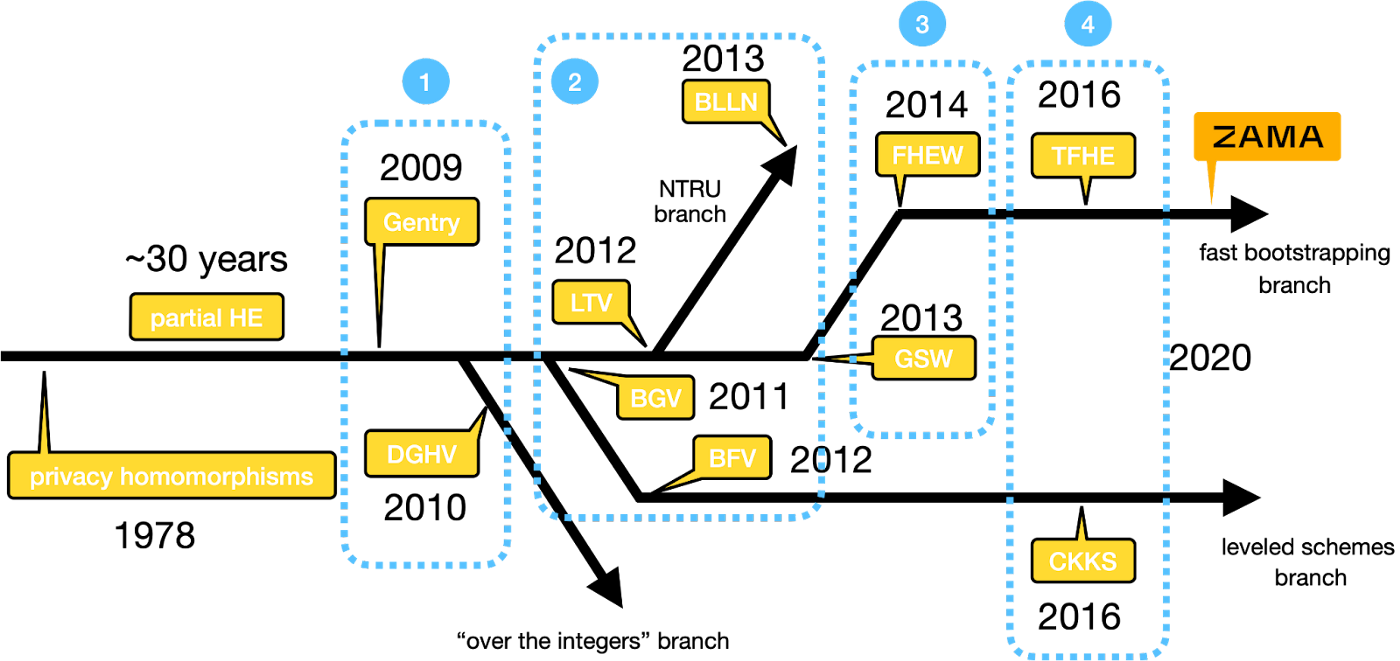
Held in Taipei on March 8, 2026, the FHE.org conference addressed the practical application of fully homomorphic encryption for matrix arithmetic. Presentations by experts such as Craig Gentry and Yongwoo Lee highlighted methods for maintaining data integrity while performing complex legal and medical calculations.
The conference established current best practices for implementing these standards. These guidelines serve as a reference for legal professionals assessing the adequacy of technical safeguards in cross-border data transfers.
No comments yet. Be the first to share your thoughts!