

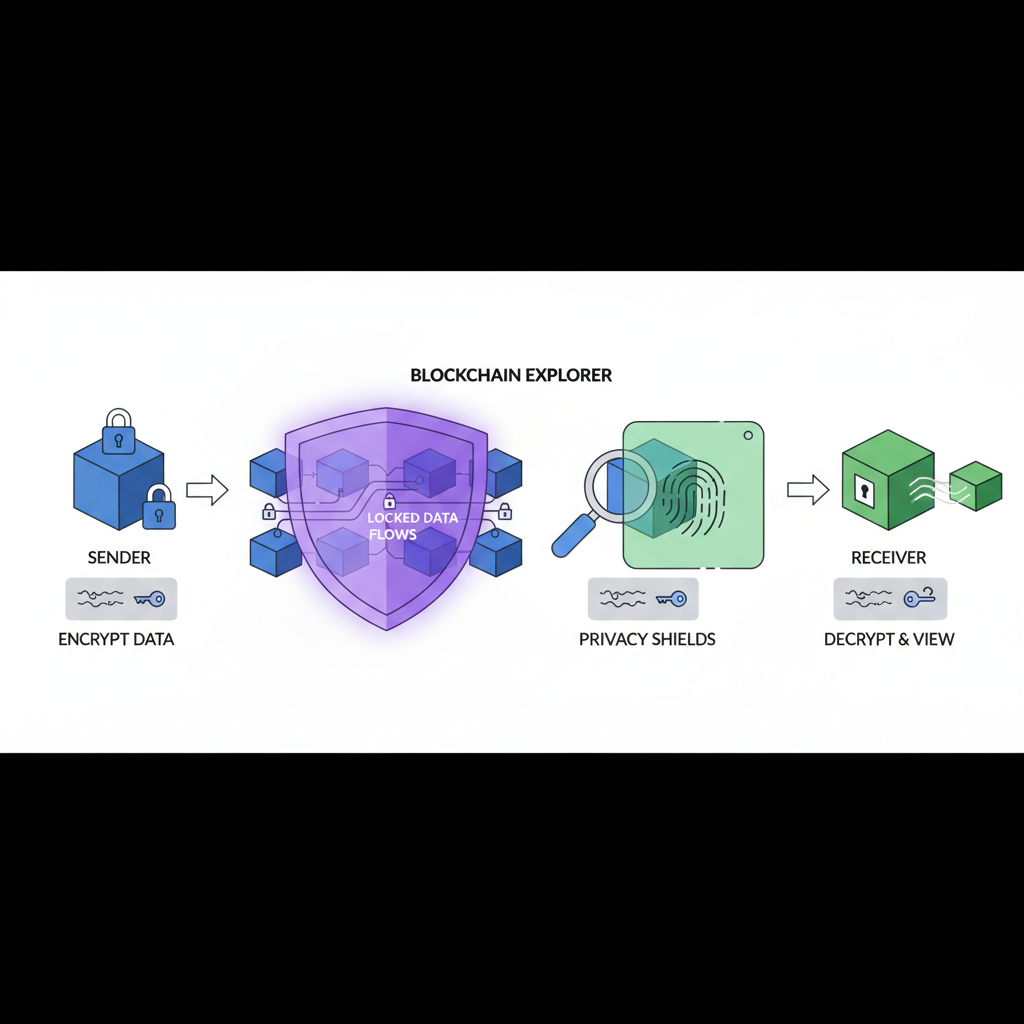
In the evolving landscape of blockchain privacy, FHE toolkits Fhenix developers rely on stand out as essential for crafting encrypted smart contracts Fhenix style networks enable. By March 2026, Fhenix has solidified its position with the Helium testnet live, allowing seamless private onchain compute FHE directly on Ethereum-compatible chains. This shift means confidential DeFi protocols and private payments can process data without exposure, a pragmatic step for scaling Web3 without sacrificing security.
Fhenix's toolkit ecosystem, anchored by CoFHE and FHE Solidity libraries, empowers builders to handle encrypted integers and homomorphic operations natively. As someone managing hybrid DeFi strategies, I see this as a balanced approach: it bridges Ethereum's composability with true confidentiality, sidestepping the pitfalls of zero-knowledge proofs that often bloat gas costs.
Fhenix Helium Testnet: Testing Ground for Confidential dApps
The Helium testnet represents Fhenix's leap forward, where developers deploy and iterate encrypted smart contracts Fhenix infrastructure supports. Here, CoFHE acts as an off-chain coprocessor, offloading heavy FHE computations while keeping the EVM footprint light. This setup scales private logic across optimistic rollups, ensuring full compatibility with existing Ethereum tools.
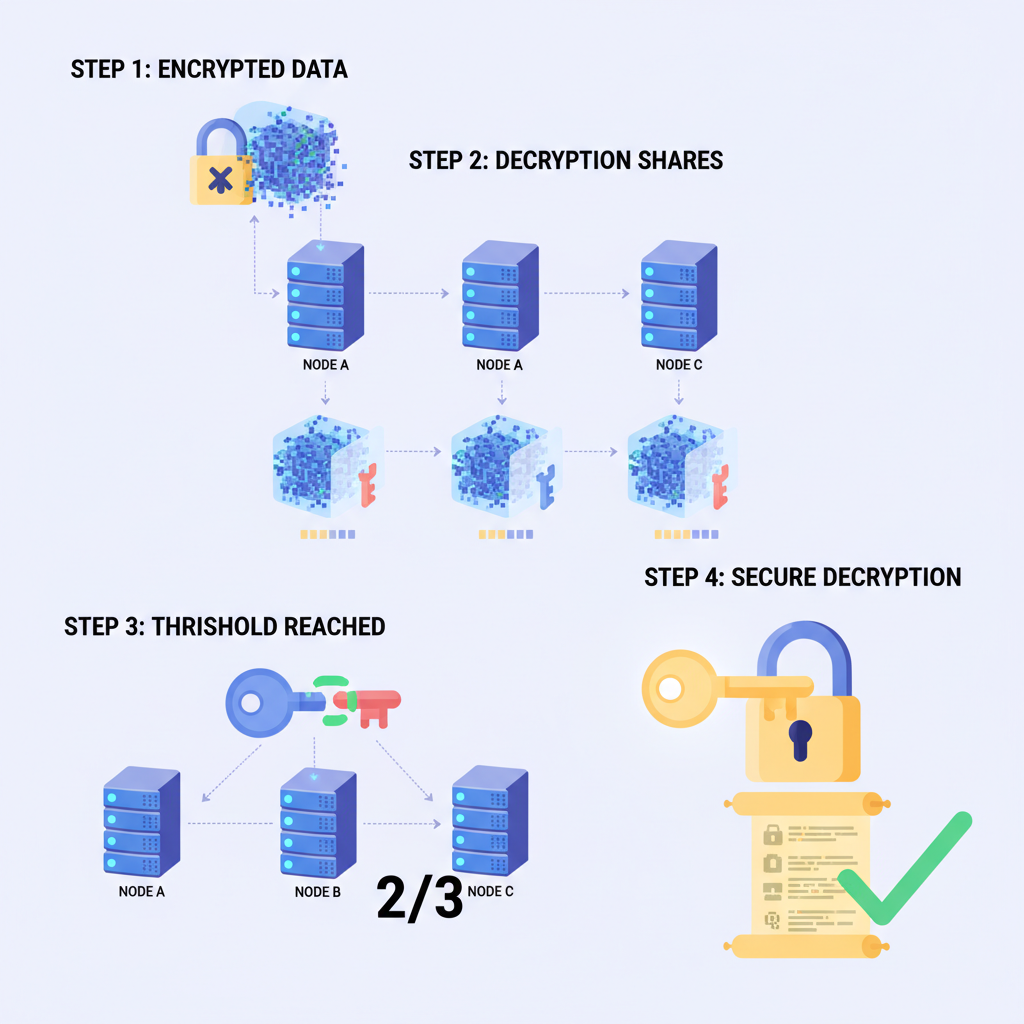
Threshold Decryption Network adds another layer, enabling secure multi-party reveals only when authorized. In practice, this means stablecoin issuers can verify balances privately, or lenders assess collateral without public exposure. It's not hype; it's deployable privacy that fits medium-term DeFi positions without overcomplicating portfolios.
Key FHE Toolkits on Fhenix Network 🔐
| Toolkit | Description | Resources |
|---|---|---|
| FHE.sol library 🔐 | Solidity library providing FHE primitives, encrypted integer types, and homomorphic operations for confidential smart contracts. | [FHE.sol Docs](https://docs.fhenix.zone/fhe-sol) 📦 [Quick Start](https://fhenix.zone/docs/quick-start) |
| CoFHE coprocessor ⚡ | Hardware-accelerated FHE coprocessor for off-chain encrypted computations on EVM-compatible chains, enhancing scalability. | [CoFHE Demos](https://fhenix.zone/demos) 🔗 [Fhenix Overview](https://fhenix.zone) |
| Helium testnet 🧪 | Developer testnet environment for building and testing privacy-preserving FHE smart contracts and applications. | [Helium Testnet](https://helium.fhenix.zone) 🧪 [Dev Guide](https://docs.fhenix.zone/helium) |
| fhEVM integration 🔗 | EVM-compatible FHE layer enabling confidential smart contracts with seamless Ethereum integration. | [fhEVM Info](https://github.com/TelahVC/awesome-fhe-blockchain) 🔗 [Fhenix FHE Rollups](https://fhenix.zone/fhe-rollups) |
| Solidity encrypted types 📦 | Secure encrypted data types for handling confidential data in Solidity FHE smart contracts. | [Encrypted Types](https://docs.fhenix.zone/encrypted-types) 📦 [What is FHE?](https://fhenix.zone/what-is-fhe) |
Core FHE Solidity Libraries: Your Fhenix FHE Developer Guide
At the heart of FHE toolkits Fhenix lies the FHE. sol library, offering encrypted integer types like euint8 to euint256. Developers import these for homomorphic additions, multiplications, and comparisons, all without decryption. A simple contract might encrypt user inputs, compute yields privately, then reveal only outcomes via threshold decryption.
This library streamlines what was once cryptographic heavy-lifting into EVM-friendly syntax. For instance, confidential auctions or voting dApps become straightforward, fostering confidential blockchain transactions 2026 standards. My take: it's pragmatic tooling that diversifies risk in onchain strategies, much like balancing equities with bonds.
CoFHE Coprocessor: Off-Chain Power for Onchain Privacy
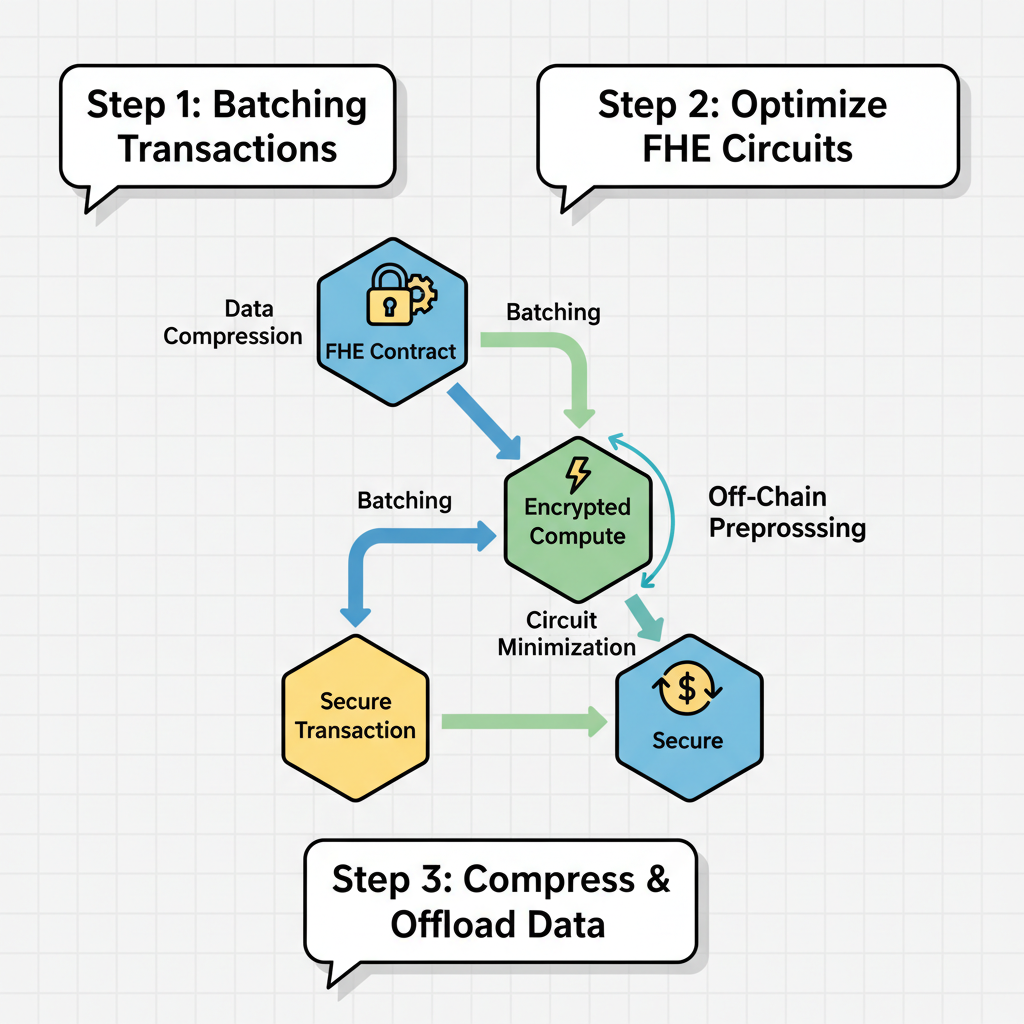
CoFHE elevates Fhenix by handling complex FHE ops off-chain, relaying proofs back to Ethereum L1 or rollups. This hybrid model boosts performance, crucial for real-world apps like private payments or encrypted stablecoins. Demos showcase DeFi primitives running end-to-end encrypted, proving viability beyond theory.
Integrating fhEVM further unifies the stack, letting Solidity devs write confidential contracts as usual. With Helium testnet faucets and quick-start guides, onboarding is swift. Opinionated view: Fhenix prioritizes developer velocity over gimmicks, positioning it ahead in the FHE race.
These tools collectively enable scalable private onchain compute FHE, where data stays encrypted through execution. As Fhenix matures, expect broader adoption in private DeFi, where opacity isn't a bug but a feature for enduring strategies.
Developers diving into Fhenix FHE developer guide resources find the barrier to entry remarkably low, thanks to polished quick-start docs and Helium faucets. This accessibility draws in teams experimenting with confidential blockchain transactions 2026, from confidential auctions to private order books.
Build a Confidential Yield Calculator on Fhenix Helium Testnet

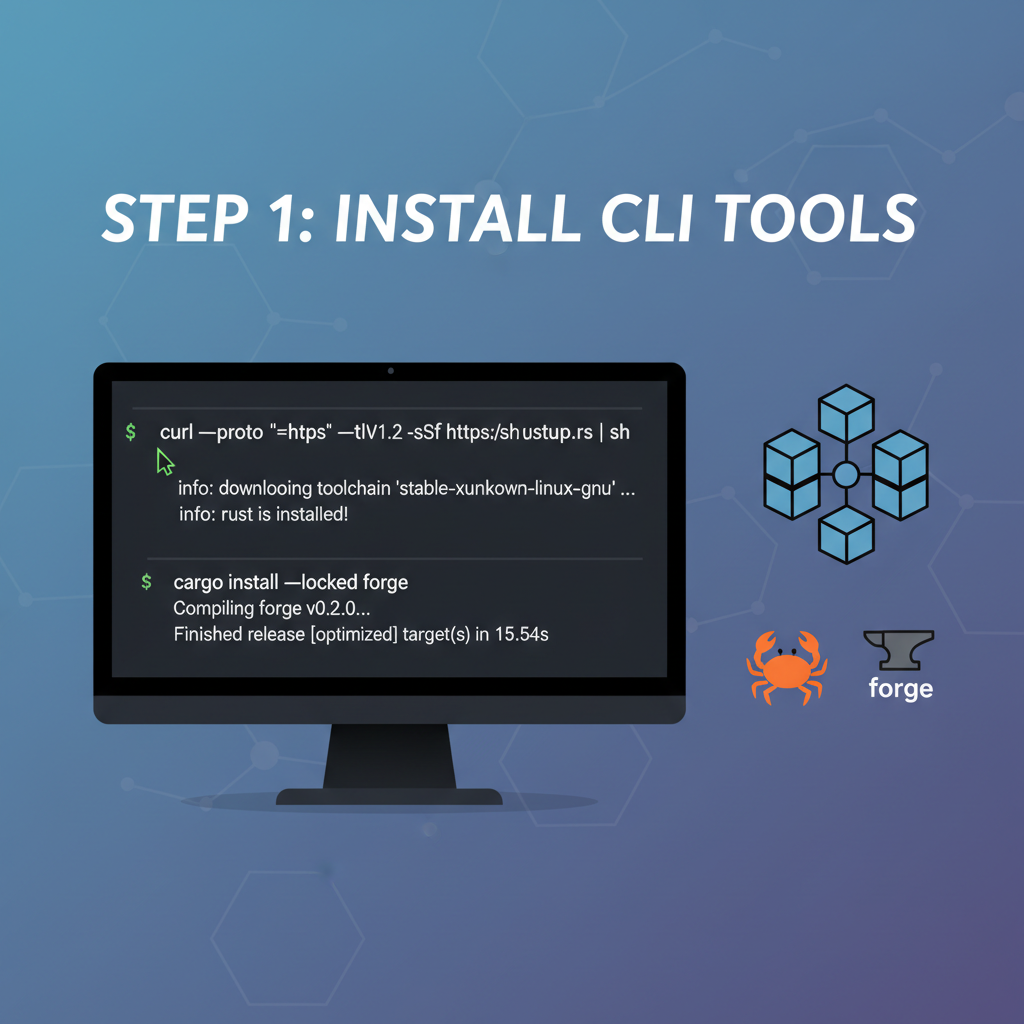
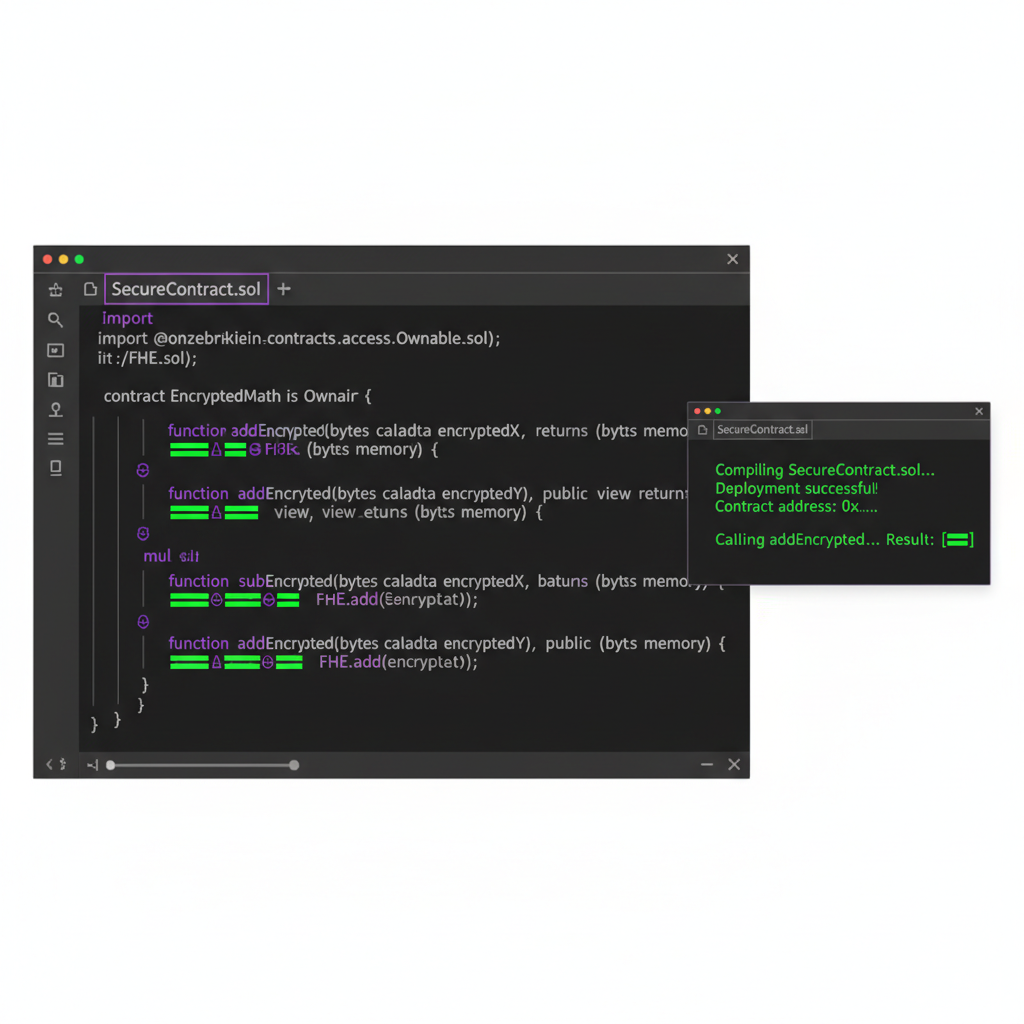
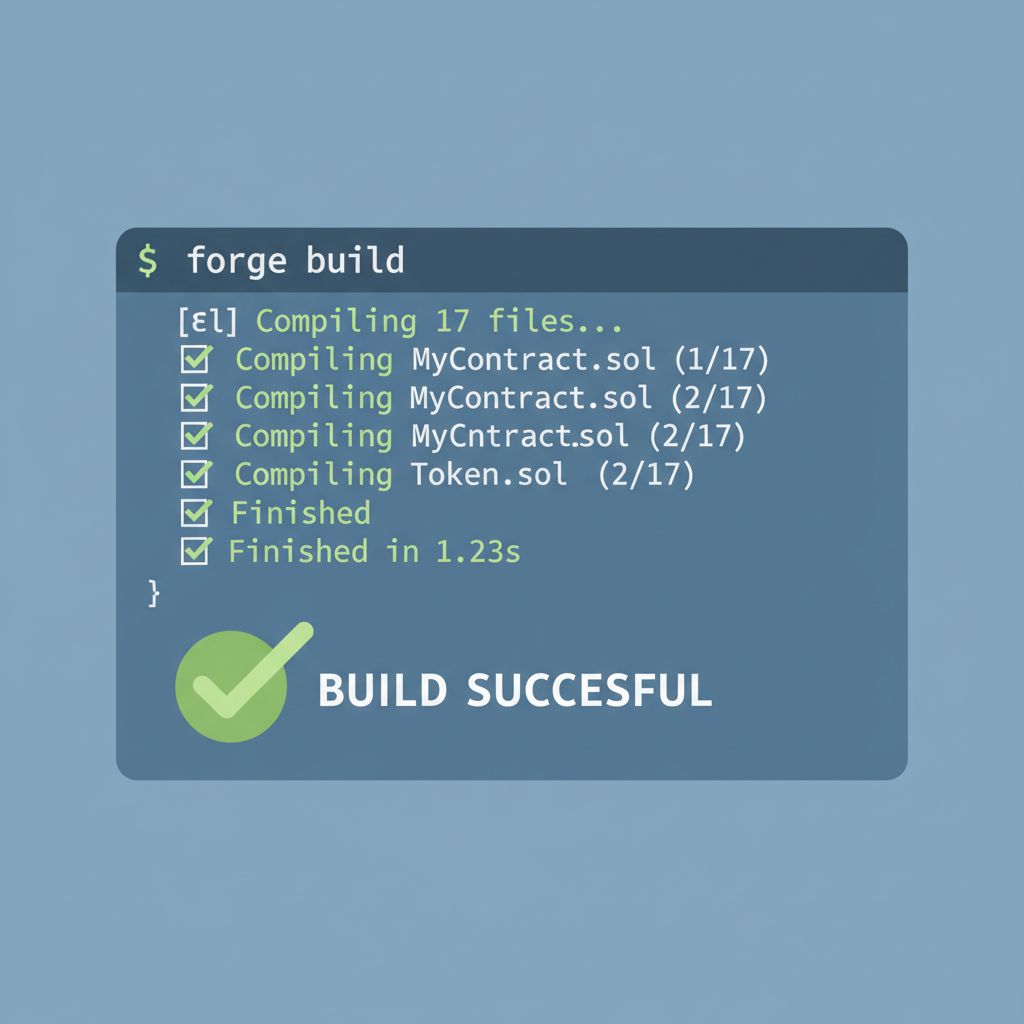
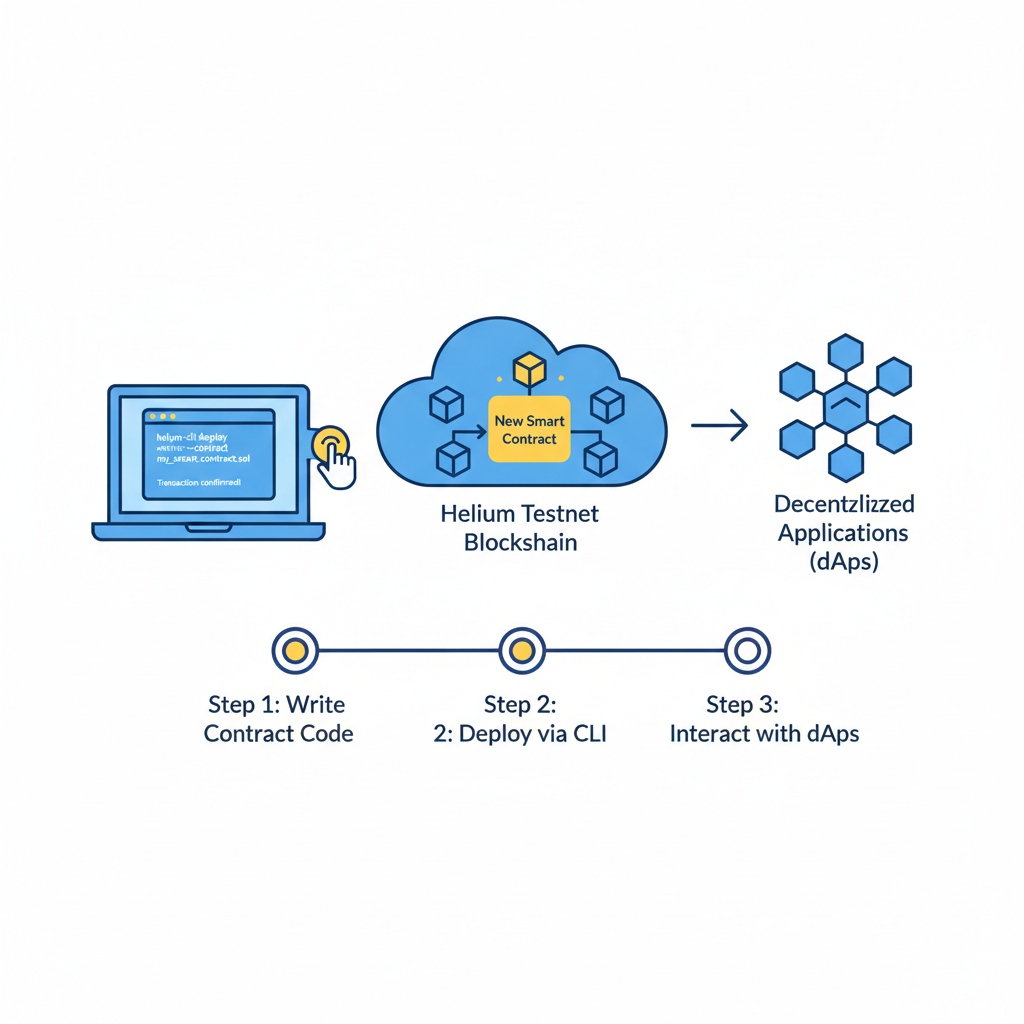
Live Demos and Scaling Paths: From Testnet to FHE Rollups
Fhenix demos cut through abstraction: encrypted stablecoins mint privately, payments settle without traces, DeFi vaults compute APYs on ciphertexts. These aren't proofs-of-concept; they're production-ready primitives composable with Uniswap or Aave.
[list: Fancy list of Fhenix demos and scaling tools: Confidential DeFi vaults, private payments, encrypted stablecoins, FHE Rollups for optimistic scaling, Threshold Decryption apps, with images. >]FHE Rollups extend this by bundling private txs off-chain, settling optimistically on Ethereum. Developers write confidential contracts in Solidity, leveraging CoFHE for compute, all while inheriting L2 security. By 2026, this architecture scales encrypted smart contracts Fhenix to millions of users, balancing throughput with confidentiality.
Threshold Decryption Network merits a closer look: parties hold shares, reconstructing keys only on consensus. It safeguards reveals in lending protocols or oracles, preventing front-running or MEV extraction. Pragmatically, it fits hybrid strategies where selective transparency bolsters trust without full exposure.
Looking ahead, Fhenix's momentum positions it among top FHE protocols, outpacing ZK in usability for complex logic. Integrations with L2s like Optimism amplify reach, enabling private composability across ecosystems. For builders eyeing enduring DeFi, FHE toolkits Fhenix offer the toolkit for tomorrow's confidential chains, where privacy underpins scalable innovation.
As Ethereum evolves, Fhenix threads the needle: Ethereum's liquidity meets unbreakable privacy. Deploy today on Helium, iterate toward mainnet, and stake your claim in private onchain compute's ascent.




No comments yet. Be the first to share your thoughts!