

As 2026 unfolds, the blockchain world grapples with privacy's final frontier. Fully Homomorphic Encryption, or FHE, lets smart contracts crunch numbers on encrypted data without peeking inside, a game-changer for encrypted smart contracts Fhenix builders. Fhenix leads this charge on Ethereum layers, blending composability with confidentiality. Developers now wield toolkits that turn abstract crypto theory into deployable code, fostering FHE private onchain compute that rhymes with history's pivot from opaque finance to transparent yet private systems.
These circuits feel almost organic, evolving from Zama's foundational work to Fhenix's onchain reality. I've watched markets cycle through trust models; FHE toolkits position Fhenix as the low-volatility bet for Web3's privacy boom. Let's unpack the essentials: Fhenix fhevm_lib, fhevmjs, CLI tools like anvil-fhenix and forge-fhenix, plus TFHE-rs and Zama Concrete. Prioritized for integration ease, they form a coherent stack for private DeFi and beyond.
Bootstrapping with Fhenix fhevm_lib
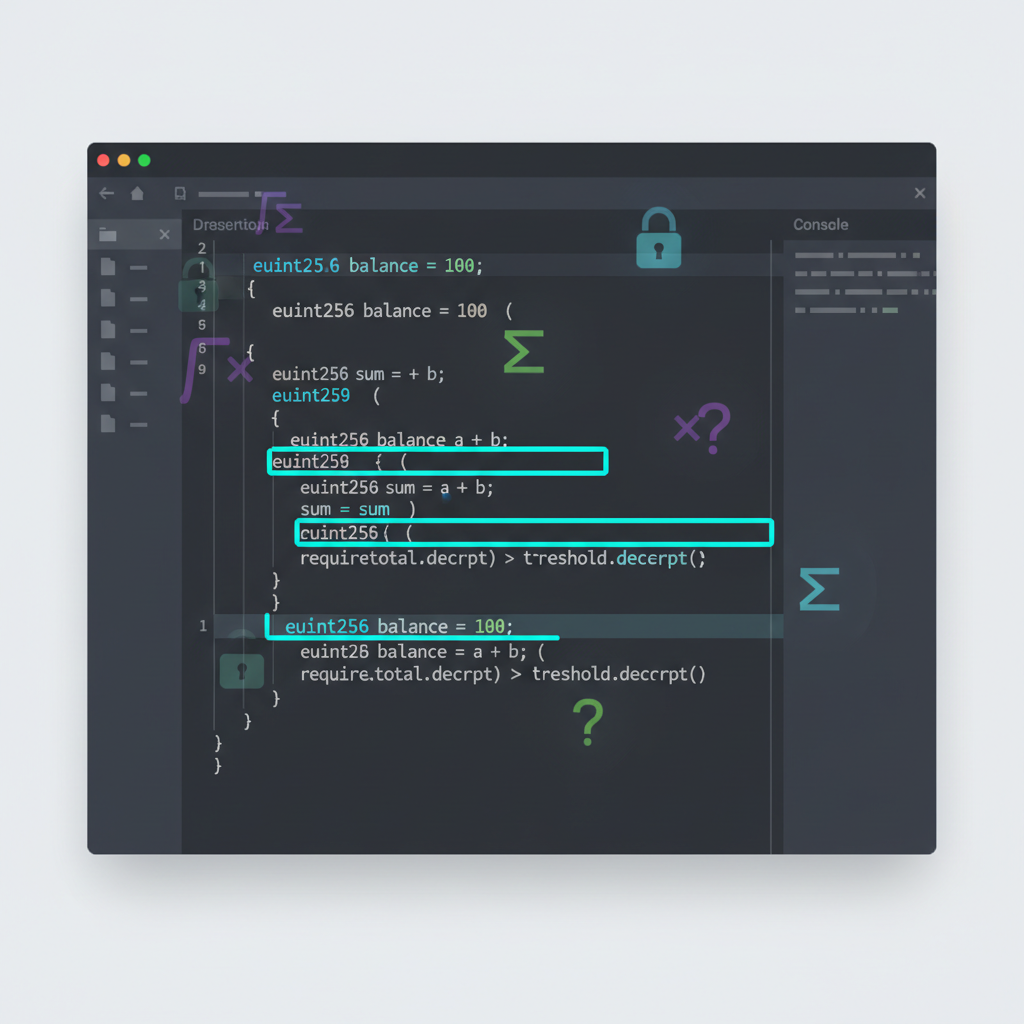
Fhenix fhevm_lib anchors your setup, a Solidity powerhouse exposing encrypted types like euint8 and euint32. It wraps arithmetic ops in homomorphic magic, letting contracts add, multiply, compare ciphertexts natively. This library, pulled via npm as @fhenixprotocol/contracts, sidesteps decryption pitfalls that plague traditional chains. Reflect on its subtlety: operations scale predictably, mirroring bond durations in yield curves, reliable under volatility.
Installation kicks off your local env. Clone the CoFHE Hardhat starter, run pnpm install, and you're scripting encrypted counters in minutes. Opinionated take: skip vanilla Hardhat; fhevm_lib's mocks simulate coprocessors offline, slashing test cycles by orders.
Essential Fhenix FHE Toolkits
- Fhenix fhevm_lib: Core Solidity library offering encrypted primitives (euint8 to euint256), arithmetic ops (+, -, *, /), comparisons (==, >, <), seamless integration, and local mock testing for private onchain compute.

- Fhenix fhevmjs: JavaScript SDK for interacting with FHE-enabled contracts, enabling client-side encrypted data handling and seamless frontend integration in Fhenix dApps.
- Fhenix CLI (anvil-fhenix & forge-fhenix): Foundry-inspired tools for local FHE node simulation and contract deployment/testing, accelerating developer workflows.

- TFHE-rs: Zama's Rust library powering Fhenix FHE, with efficient homomorphic operations for encrypted computations foundational to private smart contracts.

- Zama Concrete: Comprehensive FHE framework for compiling and optimizing encrypted programs, underpinning Fhenix's secure, scalable privacy infrastructure.

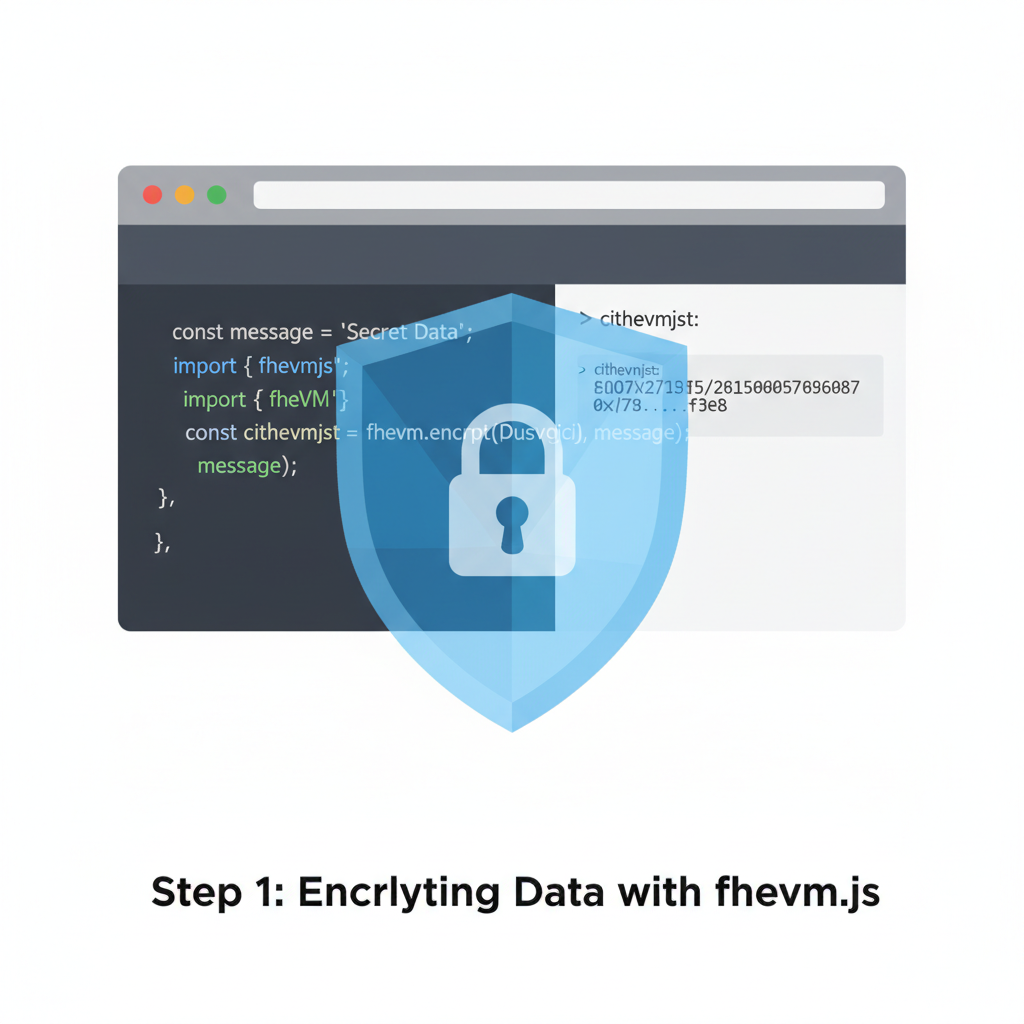
Frontend Bridge: Fhenix fhevmjs Unleashed
Pairing backend muscle with frontend finesse, Fhenix fhevmjs handles client-side encryption and decryption. This JS lib generates ciphertexts from user inputs, relays them onchain, and unveils results post-compute. It's the glue for dApps where wallets feed private bids into auctions without exposure. In reflective cycles, it evokes commodity hedges: encrypt inputs, compute blindly, settle privately.
Setup mirrors simplicity. After lib install, import fhevmjs, initialize with Fhenix keys, and encrypt primitives like numbers or booleans. Deploy a contract using fhevm_lib, then fhevmjs scripts interactions via ethers. js. I've seen devs stumble on key management; fhevmjs abstracts it cleanly, supporting devnet keys out-of-box.
CLI Powerhouse: Anvil-fhenix and Forge-fhenix for Rapid Iteration
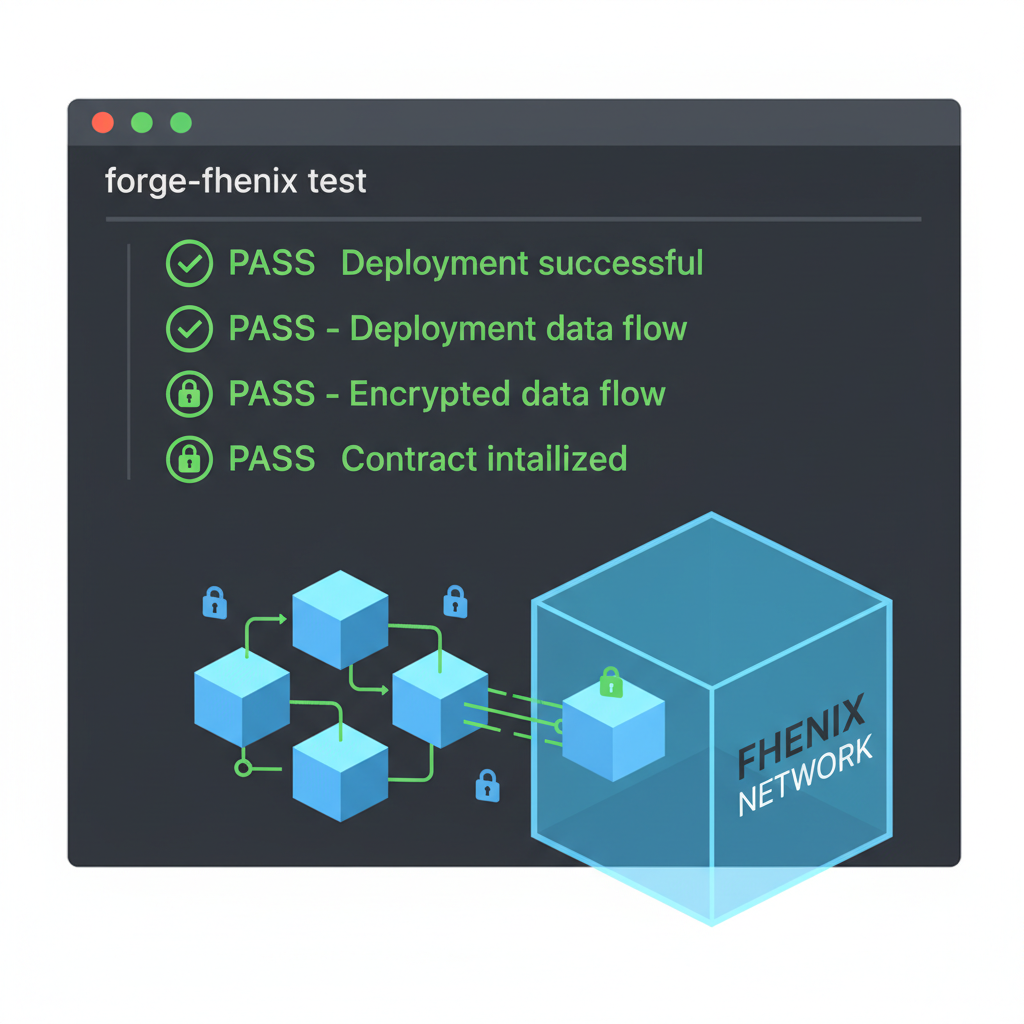
Fhenix CLI tools, anvil-fhenix and forge-fhenix, fork Foundry's ecosystem for FHE. Anvil-fhenix spins local nodes mimicking Fhenix testnets, complete with coprocessor emulation. Forge-fhenix compiles, tests, deploys FHE contracts with gas-aware optimizations. These aren't gimmicks; they're cycle-tested for production parity, letting you fork mainnet states and inject encrypted payloads.
Command flow: forge-fhenix init for project scaffold, anvil-fhenix for node spin-up, then cast calls with encrypted args. This trio accelerates from prototype to audit-ready, much like macro shifts demand swift pivots. Pair with Scaffold-ETH for full-stack; it's opinionated bliss for solo devs chasing Fhenix developer toolkit velocity.
Deeper in the stack, TFHE-rs provides the Rust-native engine powering Fhenix's FHE operations. This library implements threshold FHE schemes, optimizing for onchain constraints like gas and latency. Developers tap it for custom primitives or when Solidity abstractions need tuning, compiling to WebAssembly for coprocessor integration. Its reflective elegance lies in balancing security with efficiency, akin to commodity spreads that widen in uncertainty yet converge reliably.
Rust Foundations: TFHE-rs for Advanced FHE Customization
TFHE-rs shines in performance-critical paths. Install via Cargo, generate keys, encrypt integers, and perform homomorphic ops before serializing for onchain relay. Fhenix leverages its compact ciphertexts, reducing EVM calldata bloat. For FHE toolkits Fhenix pros, it's the underlayer: tweak parameters for euint sizes matching your dApp's precision needs. I've observed cycles where foundational tech like this outlasts hype, positioning TFHE-rs as the durable core for homomorphic encryption blockchain integration.
TFHE-rs Essentials
- Fhenix fhevm_lib: Rust library bridging TFHE-rs to FHEVM, enabling Rust-Wasm bridge to EVM for efficient encrypted smart contract deployment on Fhenix, reflecting seamless private compute integration.

- Fhenix fhevmjs: JavaScript bindings for FHE operations, simplifying client-side encryption and interaction with Fhenix contracts, thoughtfully designed for developer workflows in private DeFi apps.

- Fhenix CLI (anvil-fhenix & forge-fhenix): Essential tools for local testing—anvil-fhenix for FHE-enabled nodes and forge-fhenix for Foundry casting—streamlining setup with reflective gas optimization insights.

- TFHE-rs: Zama's core Rust crate powering Fhenix, with threshold key generation, compact FHE ciphertexts, ops for integers/booleans, and gas-optimized serialization— the insightful backbone of onchain privacy.
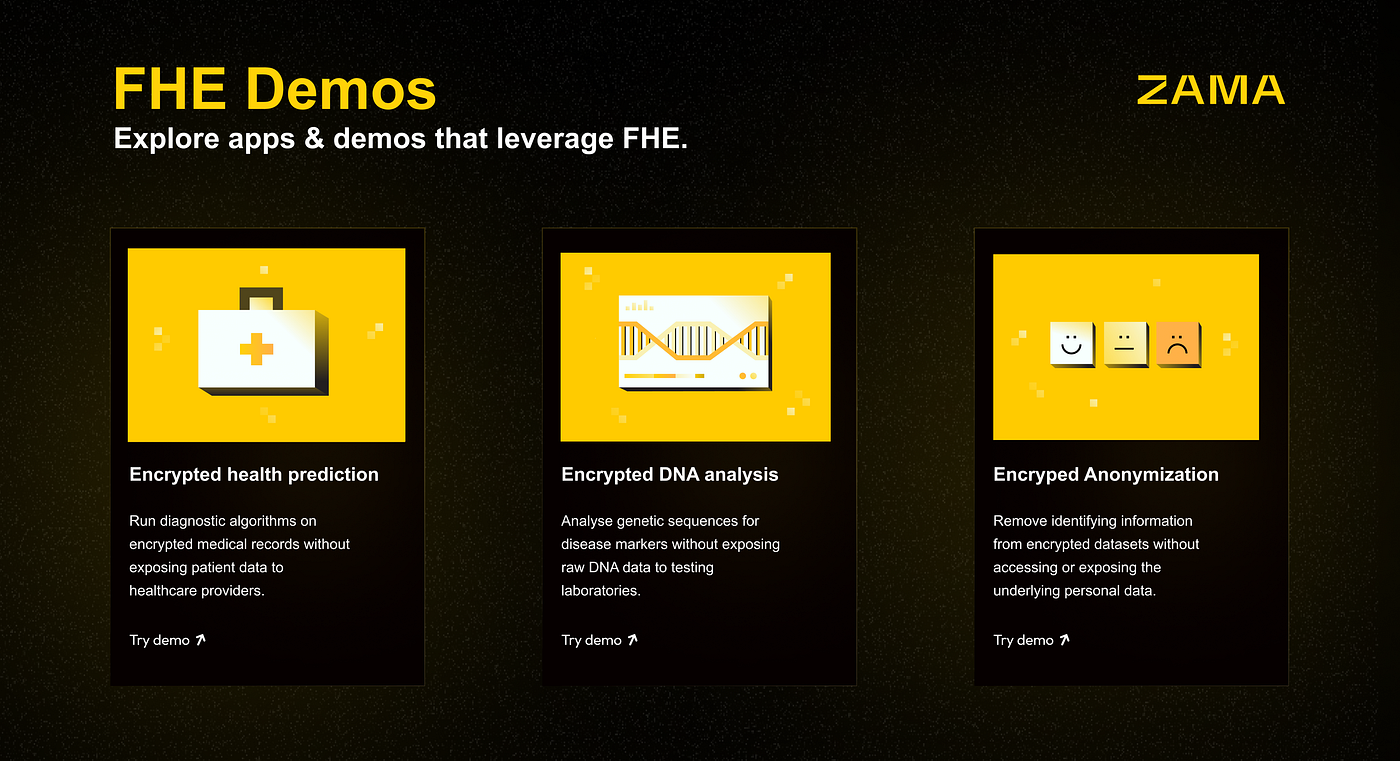
- Zama Concrete: High-level FHE framework complementing TFHE-rs, aiding in advanced encrypted computations and model integration, offering reflective depth for scaling Fhenix developer setups.
Complementing this, Zama Concrete offers a higher-level abstraction over TFHE-rs. This ML-friendly library lets you prototype FHE circuits in Rust or Python, then export to Fhenix-compatible formats. Ideal for complex logic like private lending rates or confidential auctions, it handles scheme selection and optimization automatically. Setup involves pip or Cargo install, followed by circuit definition and compilation. Its opinionated design cuts boilerplate, echoing macro strategies that favor simplicity in turbulent markets.
High-Level Orchestration: Zama Concrete for Circuit Prototyping
With Zama Concrete, sketch encrypted ML inferences or DeFi oracles without low-level crypto drudgery. Compile to TFHE parameters, integrate via fhevmjs for client-side, and deploy with forge-fhenix. This flow embodies Fhenix's vision: private compute composable with Ethereum primitives. Reflecting on adoption curves, Zama's tools accelerate from proof-of-concept to mainnet, much like bonds yield steadily amid equity swings.
Zama Concrete Rust Example: euint32 Add Circuit
Reflecting on the foundational operations in Fully Homomorphic Encryption, defining a simple addition circuit for euint32 in Zama's Concrete library encapsulates the essence of encrypted computation. This example thoughtfully progresses through circuit definition, key compilation, input encryption, homomorphic execution, and output decryption, offering a clear lens into FHE's transformative potential.
```rust
use concrete::prelude::*;

#[concrete_circuit(client = "concrete::integers::client_key::ClientKey")]
fn add(x: u32, y: u32) -> u32 {
    x + y
}

fn main() -> Result<()> {
    let circuit = gen_circuit(add);

    let config = ConfigBuilder::all_disabled()
        .enable_integers_u32()
        .build()?;

    let compiler = concrete::compilers::Compiler::new(config);
    let (mut cks, mut sks) = compiler.compile_from_circuit(&circuit)?;

    let clear_x = 27u32;
    let clear_y = 12u32;

    let mut ct_x = cks.encrypt(clear_x);
    let mut ct_y = cks.encrypt(clear_y);

    add(&mut ct_x, &mut ct_y, &mut cks, &mut sks);

    let output: u32 = cks.decrypt(&ct_x);

    println!("Homomorphic addition result: {} + {} = {}", clear_x, clear_y, output);

    Ok(())
}
```
Witnessing this flow firsthand underscores a profound insight: even basic arithmetic, when shielded by FHE, unlocks unprecedented privacy in smart contracts. Such circuits form the bedrock for sophisticated encrypted programs on Fhenix.
Now, weaving these into a cohesive Fhenix developer toolkit. The stack's strength emerges in end-to-end workflows: prototype circuits in Zama Concrete or TFHE-rs, implement in fhevm_lib Solidity, interact via fhevmjs, and iterate with CLI tools. Local anvil-fhenix nodes emulate coprocessors, enabling gas profiling without testnet spam. This maturity, as of March 2026, rivals mature L2 stacks, priming Fhenix for private DeFi scale.
Unlock Fhenix FHE Mastery: Complete Developer Setup Guide




Challenges persist, yet surmountable. Ciphertext expansion demands judicious euint sizing; CLI mocks bridge the gap until mainnet coprocessors proliferate on Base and Arbitrum. Best practices: start small with euint8 counters, graduate to euint256 for precision trades. Audit homomorphic branches thoroughly, as comparisons introduce branching noise. In my view, these toolkits signal Web3's pivot to institutional-grade privacy, where data confidentiality fuels trillion-dollar flows without trust erosion.
Fhenix's ecosystem, bolstered by Zama's innovations, invites builders to craft dApps that compute blindly yet settle transparently. History's rhyme here is clear: just as encrypted ledgers tamed centralized risks, FHE toolkits tame onchain exposure. Dive in; the cycles favor the prepared.




No comments yet. Be the first to share your thoughts!