

In 2026, as DeFi protocols handle trillions in encrypted onchain value, Fhenix's FHE toolkits stand out for enabling private onchain compute directly in Solidity smart contracts. Developers no longer need to compromise between Ethereum's liquidity and data confidentiality; Fhenix's fhEVM delivers homomorphic encryption dApps that process encrypted lending rates, collateral values, and yield calculations without exposing user positions. This shifts DeFi from transparent ledgers to confidential engines, mitigating front-running and oracle manipulation risks that have plagued public chains.
Fhenix's Vision for Encrypted DeFi Dominance
Fhenix positions itself at the forefront of encrypted DeFi Solidity integration, with its manifesto outlining a path to Ethereum's $100 trillion future powered by fully homomorphic encryption. Unlike zero-knowledge proofs that verify computations off-chain or TEEs reliant on hardware trust, Fhenix's approach lets smart contracts compute on ciphertexts natively. Data remains encrypted throughout, from deposit to liquidation checks in lending protocols. Their CoFHE coprocessor extends this to Base and Arbitrum, broadening CoFHE Base Arbitrum support for scalable private smart contracts.
The data backs this ambition: Fhenix's $22M funding and 50x decryption speedups via Threshold Services Network (TSN) enable DeFi-scale throughput. Tutorials on fhenix. zone guide devs from local setups with CoFHE to deploying confidential Uniswap v4 hooks, proving that FHE toolkits Fhenix lower the cryptography barrier without sacrificing EVM compatibility.
Dissecting Fhenix's FHE Arsenal
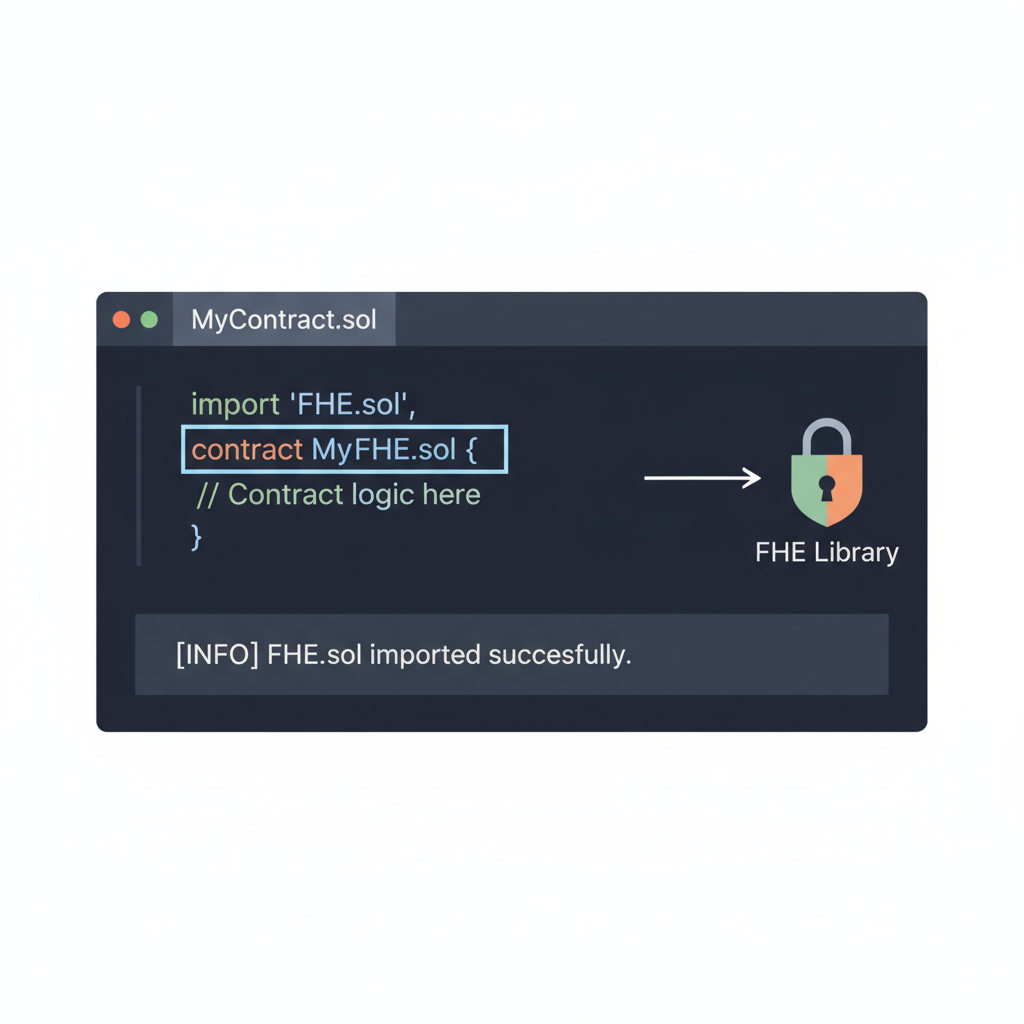
At the core lies the FHE. sol library, a Solidity-native toolkit introducing encrypted primitives like euint8, ebool, and eaddress. Arithmetic ops such as add, mul, and comparisons run homomorphically, ideal for private interest accruals or threshold liquidations in lending dApps. CoFHE engine orchestrates this without TEEs or ZK, while FHE-Rollups scale via optimistic oracles, batching expensive FHE ops off full-node replication.
TSN tackles decryption latency, distributing keys for sub-second reveals in high-TPS DeFi. GitHub's cofhe-contracts repo supplies battle-tested templates, from encrypted voting to confidential AMMs. Ethereum Research highlights how Fhenix democratizes FHE, letting Solidity devs build without PhD-level crypto knowledge.
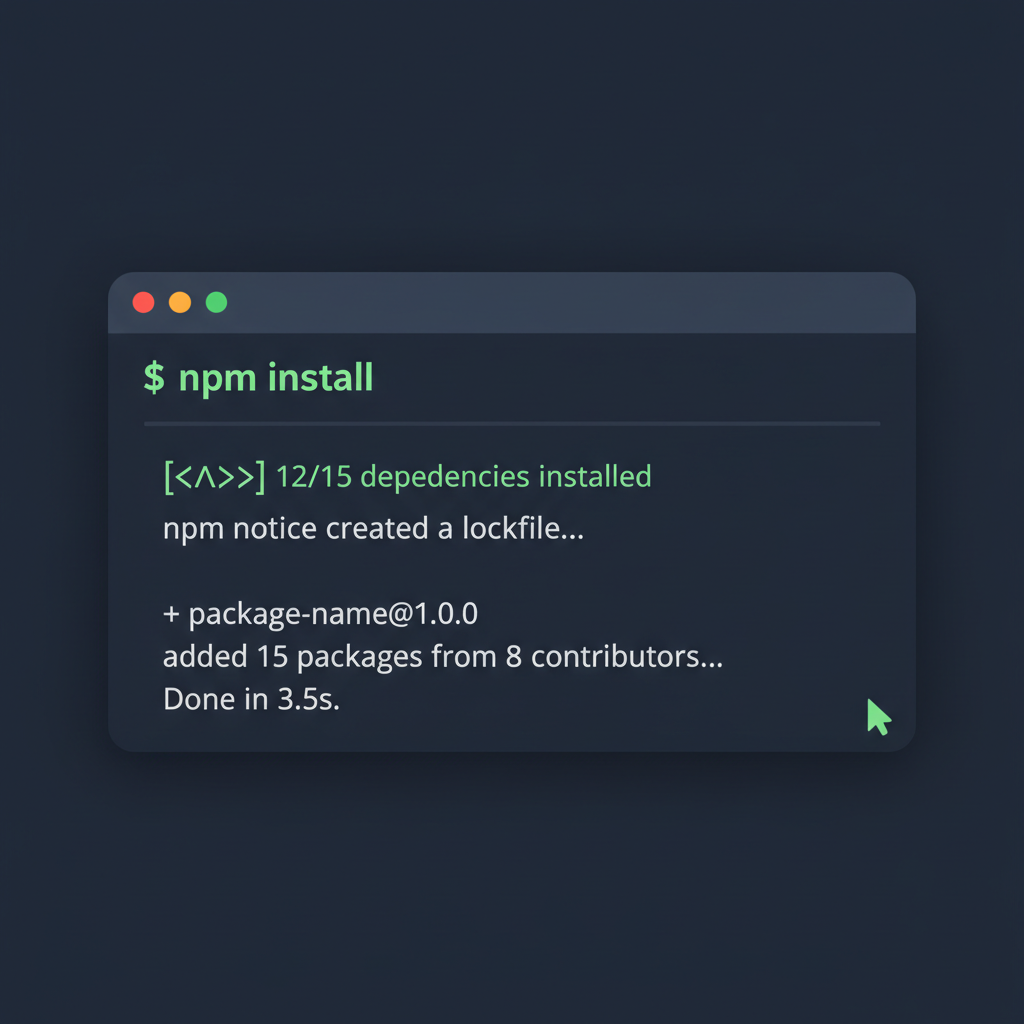
Integrating Fhenix starts with npm install @fhenixprotocol/contracts, pulling FHE. sol into your Foundry or Hardhat project. Pragma ^0.8.20 contracts import it directly, unlocking encrypted types for state variables. Operations mirror plaintext Solidity but wrap inputs in asEuintXX, outputting ciphertexts verifiable only by authorized decryptors.
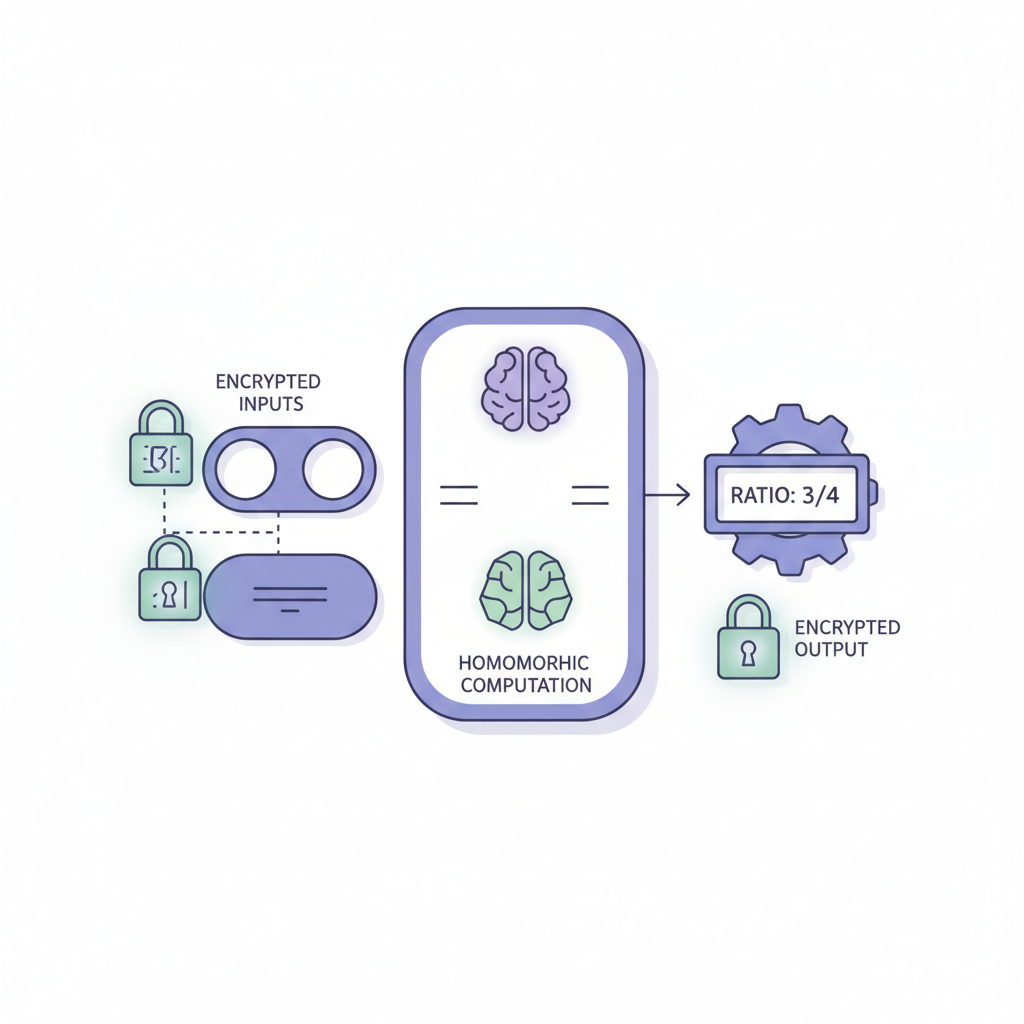
For a lending protocol, encrypt borrower collateral as euint256, compute utilization ratios homomorphically, and trigger events on encrypted thresholds. Decryption via FHE. decrypt() gates reveals to multisig or TSN, preserving privacy. Quick starts on docs. fhenix. zone cover local fhEVM nodes, testing encrypted txs before mainnet deployment.
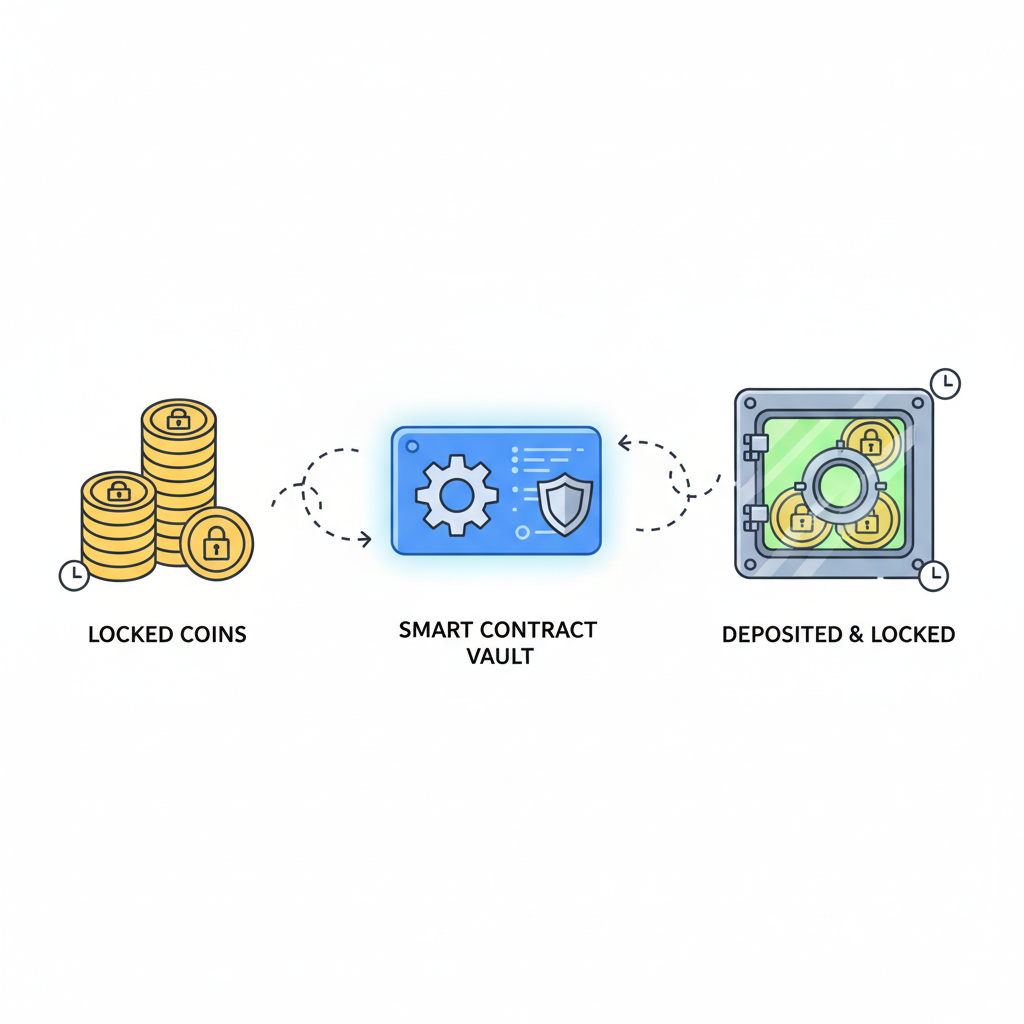
Real-world deployment reveals the power of these toolkits in homomorphic encryption dApps 2026. Consider a confidential lending market where borrower debt and collateral stay encrypted. Smart contracts evaluate health factors via homomorphic multiplications and divisions, only decrypting for liquidations under governance control. This setup slashes MEV exploitation, as bots can't snoop on utilization spikes.
Scaling Private DeFi with FHE-Rollups and TSN
Fhenix's FHE-Rollups address Ethereum's compute bottlenecks by offloading FHE ops to optimistic oracles, verifying results without full-node burden. Paired with TSN's distributed decryption, protocols hit DeFi-scale TPS: think 1,000 and encrypted swaps per second on Base via CoFHE Base Arbitrum expansions. Benchmarks show 50x faster reveals than prior FHE schemes, critical for real-time arbitrage in private AMMs.
Data from Fhenix's H1 2025 recap underscores viability: TSN handles key shares across nodes, minimizing single-point failures while sub-second latencies support yield farming loops. Developers leverage cofhe-contracts for plug-and-play rollup integrations, testing on local fhEVM before Fhenix testnets.
Build & Deploy Encrypted Lending Contract with FHE.sol on Fhenix



Performance metrics favor Fhenix in head-to-heads. Homomorphic ops cost 10-100x more gas than plaintext but drop dramatically under rollups, converging to ZK levels at scale. For private onchain compute fhEVM, this means confidential order books rivaling CEXs without custody risks.
Mitigating DeFi Risks Through Encrypted Solidity
From my 12 years in risk management, public DeFi's transparency amplifies flash loan attacks and liquidation cascades. Fhenix flips this: encrypted positions obscure targets, while homomorphic verifications ensure solvency without leaks. A Uniswap v4 hook example computes fees on encrypted volumes, distributing yields privately.
Edge cases shine too. Governance votes on encrypted proposals tally without doxxing stances; prediction markets settle on ciphertexts. Fhenix's Ethereum Research collaborations validate security models, proving IND-CPA under repeated ops.
Encrypted Health Factor Check with Mul/Div and Liquidation Trigger
This advanced Solidity snippet illustrates a privacy-preserving health factor calculation in a lending protocol using Fhenix's FHEVM. Encrypted collateral, borrow amounts, and thresholds are processed with euint256 arithmetic (multiplication and division) to compute the health factor. A conditional eif expression determines if the position is liquidatable (health factor below 1.0, scaled to 1e18).
```solidity
pragma solidity ^0.8.22;

import {FHE} from "fhevm/lib/FHE.sol";

contract EncryptedLending {

    /// @notice Computes the encrypted health factor and checks for liquidation trigger
    /// @dev Health factor = (collateralValue * liquidationThreshold) / borrowValue
    /// @param encCollateral Encrypted collateral value (scaled to 18 decimals)
    /// @param encBorrow Encrypted borrow value (scaled to 18 decimals)
    /// @param encThreshold Encrypted liquidation threshold (e.g., 8000 for 80%)
    /// @return trigger 1 if health factor < 1e18 (liquidatable), 0 otherwise
    function checkHealthFactorAndTrigger(
        uint256 encCollateral,
        uint256 encBorrow,
        uint256 encThreshold
    ) public pure returns (uint256 trigger) {
        euint256 collateral = FHE.asEuint256(encCollateral);
        euint256 borrow = FHE.asEuint256(encBorrow);
        euint256 threshold = FHE.asEuint256(encThreshold);

        // Compute health factor using encrypted mul and div
        euint256 healthFactor = (collateral * threshold) / borrow;

        // Conditional check for liquidation (hf < 1e18)
        ebool isLiquidatable = healthFactor < FHE.asEuint256(10**18);
        euint256 encTrigger = euint256(eif(isLiquidatable, FHE.asEuint256(1), FHE.asEuint256(0)));

        trigger = FHE.decrypt(encTrigger);
    }
}
```
Key insights: FHE enables on-chain encrypted computations without decryption until the final trigger output, preserving user privacy. Note that real-world implementations require handling division precision loss (use higher scaling factors) and integration with lending state via Fhenix's encryption gateways.
Adoption surges as toolkits mature. ETHGlobal sessions and YouTube deep dives equip devs, while GitHub stars on cofhe-contracts signal momentum. By 2026, expect Fhenix powering 20% of new DeFi TVL in encrypted primitives, unlocking that $100 trillion Ethereum vision.
The shift to encrypted DeFi Solidity isn't hype; it's engineered privacy yielding asymmetric edges. Protocols blind to outsiders but transparent to users via selective decrypts redefine composability. Dive into FHE toolkits today, and build the confidential layer DeFi demands.




No comments yet. Be the first to share your thoughts!