
Ethereum’s blockchain, while revolutionary for transparency and immutability, exposes a fundamental tension for institutional adoption: every transaction lays bare financial details that demand confidentiality. Real-world assets (RWAs) like tokenized bonds, private credit, and real estate amplify this issue, as tokenization bridges traditional finance with DeFi yet risks disclosing sensitive ownership and valuation data. Fully Homomorphic Encryption (FHE) emerges as the precise antidote, enabling computations on encrypted data without decryption. This unlocks FHE RWA tokenization, where privacy-preserving protocols secure private RWAs on Ethereum against prying eyes.

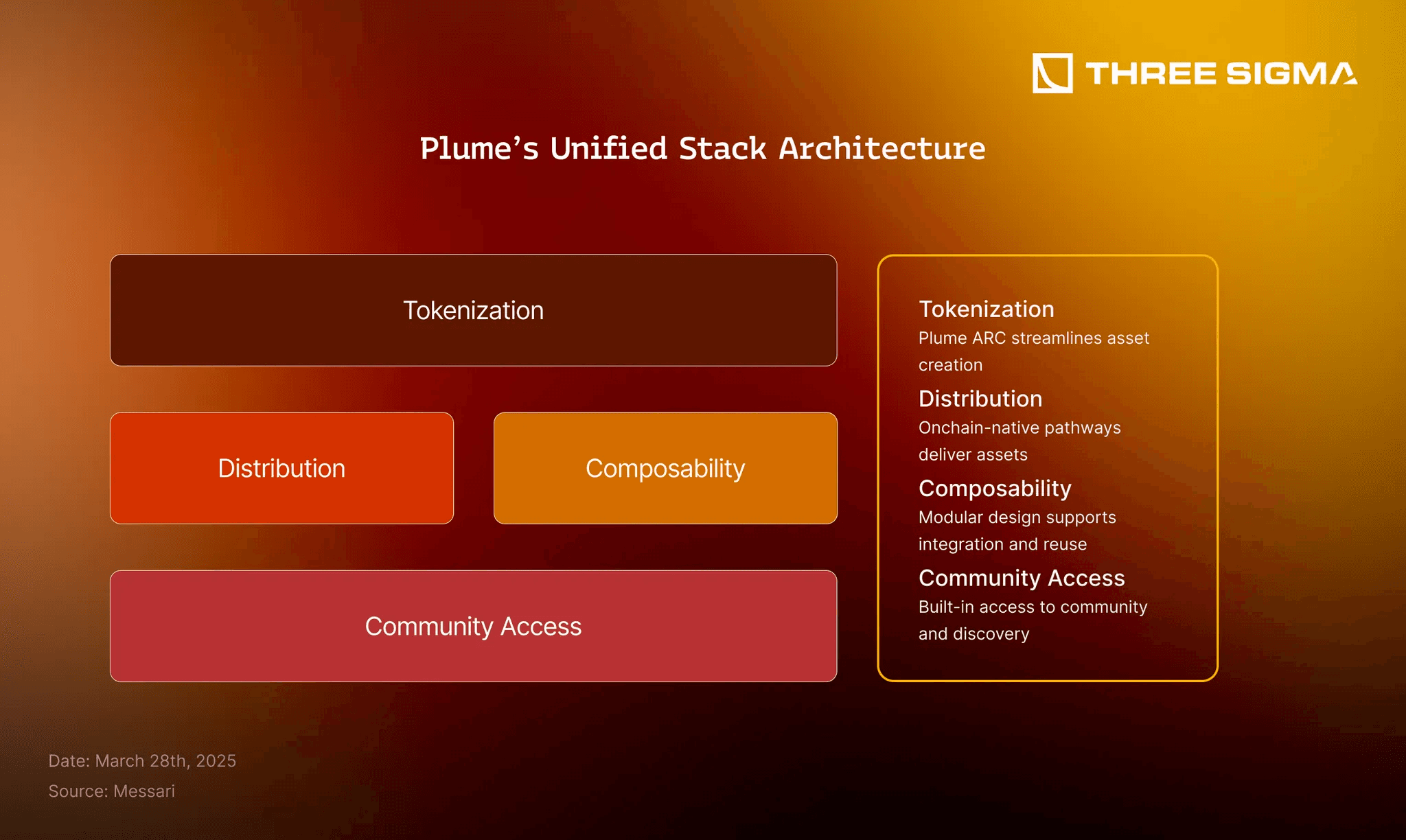
FHE’s mathematical elegance lies in its ability to perform arithmetic and logical operations directly on ciphertexts, yielding encrypted results that decrypt to correct plaintexts. For RWAs, this means yield calculations, compliance checks, and transfers can occur without exposing underlying asset values or investor identities. Recent market discourse, from Bankless highlighting Ethereum’s privacy shortfall to Chainlink’s focus on securing institutional tokenization, underscores the urgency. As RWAs proliferate, valued in trillions potentially, homomorphic encryption for assets isn’t optional; it’s the cornerstone of scalable, trustworthy onchain finance.
The Privacy Deficit in Transparent Blockchains
Ethereum’s public ledger design, a feature for trustlessness, becomes a liability for RWAs. Consider a tokenized real estate fund: public visibility of investor stakes invites front-running, competitive intelligence leaks, or regulatory scrutiny on non-public deals. ERC3643, the emerging standard for permissioned RWA tokens, manages issuance and transfers but falls short on data confidentiality. Here, FHE toolkits intervene, layering confidential tokenization toolkits atop existing standards to encrypt payloads end-to-end.
Institutional players recognize this gap. Ethereum Research outlines actors like Zama and Fhenix pioneering application-driven FHE, while the Ethereum Foundation’s new portal spotlights zero-knowledge complements to RWAs. Yet FHE stands apart, offering general-purpose privacy without proof generation overhead. My view, shaped by years analyzing DeFi protocols: sustainable RWA growth hinges on such tools, favoring measured integration over hype-driven zk alternatives.
Pioneering FHE Developments Tailored for Ethereum
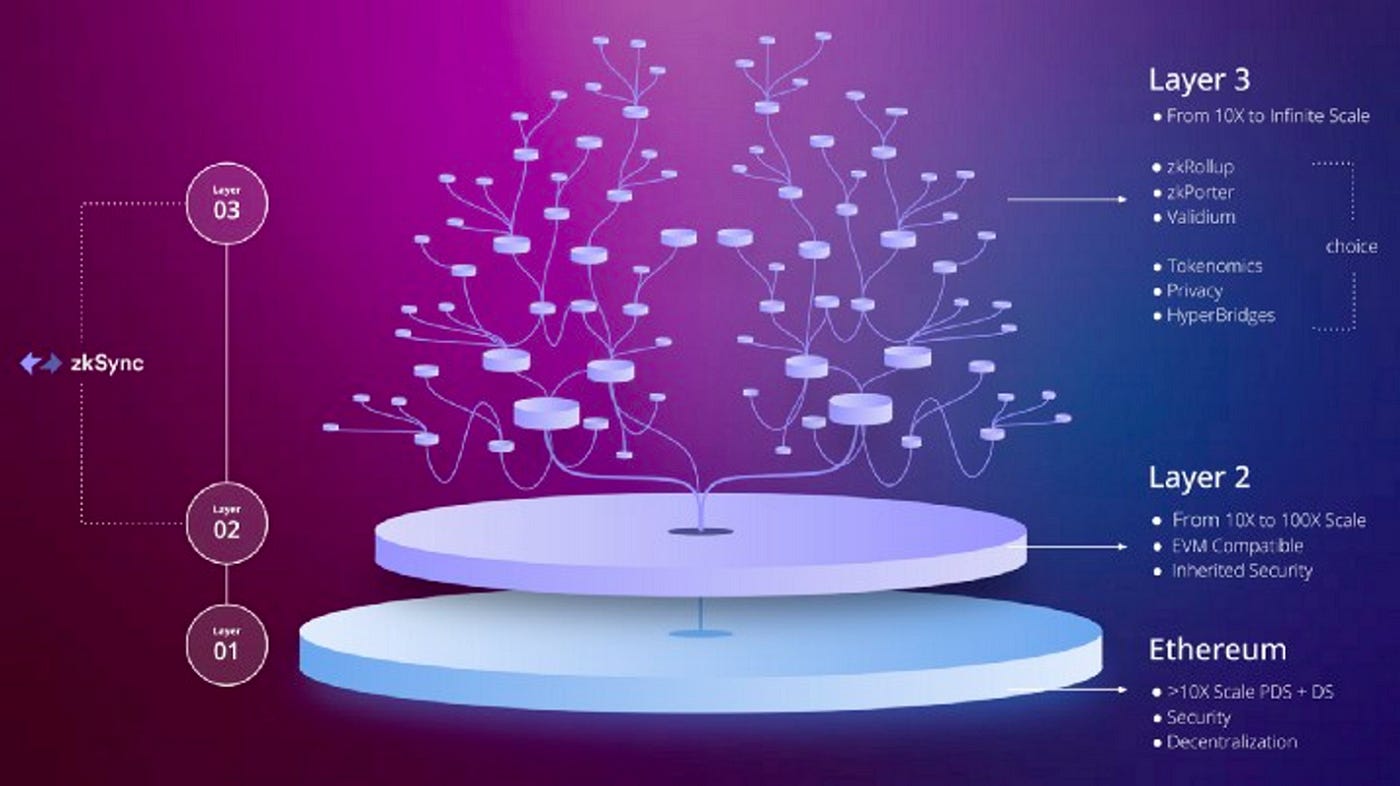
2026 brings concrete strides. FHE-Rollups integrate homomorphic encryption into Layer 2s, birthing confidential smart contracts without base-layer changes. Private ERC-20s, sealed-bid auctions, and voting emerge viable, as detailed in Fhenix’s whitepaper. This rollup paradigm scales FHE’s compute-intensive nature via offchain proofs, settling encrypted states on Ethereum.
Zama’s FHEVM pushes further, a virtual machine processing encrypted data natively on Ethereum, closing decentralization’s privacy voids. No decryption means no trusted execution; scalability follows via optimized circuits. Complementing this, HElium’s compiler automates FHE parameterization with Proxy Re-Encryption support, slashing developer friction. These aren’t abstractions; they’re deployable for RWA vaults computing yields on masked positions or oracle feeds aggregating confidential price data.
From a value investor’s lens, these tools de-risk tokenization. RWAs like those in MarketVector’s primer demand strategic privacy to attract trillions from TradFi, bridging assets per Hilbert Group’s analysis without exposure.
FHE Toolkit Benefits
-

End-to-end encryption for RWA ownership: Enables computations on encrypted data without decryption, protecting sensitive details like ownership in tokenization.
-

Compliant private computations: Supports confidential processing for RWAs, including sealed-bid auctions and private voting on Ethereum.
-
Seamless Ethereum L2 integration: FHE-Rollups allow confidential smart contracts without base layer changes.
-

Developer-friendly compilers like HElium and Zama’s FHEVM: Simplify privacy app development with optimizations.
Building with FHE Toolkits: A Developer’s Arsenal
FHEToolkit. com curates libraries optimized for these use cases, from TFHE-rs for Rust-based circuits to concrete-ml for machine learning on encrypted portfolios. Developers start with FHEVM opcodes, encrypting token metadata pre-mint. For ERC3643 tokens, wrap transfers in homomorphic proxies, verifying compliance rules on ciphertexts.
Practical workflow: encrypt asset NAV offchain, deploy FHE-Rollup contract for onchain ops. Yield distribution? Homomorphic sums allocate without revealing individual holdings. This measured approach trumps speculative zkvm bets, delivering verifiable privacy today. As RWA. io’s whitepaper notes, challenges like oracle trust dissolve under FHE’s gaze.
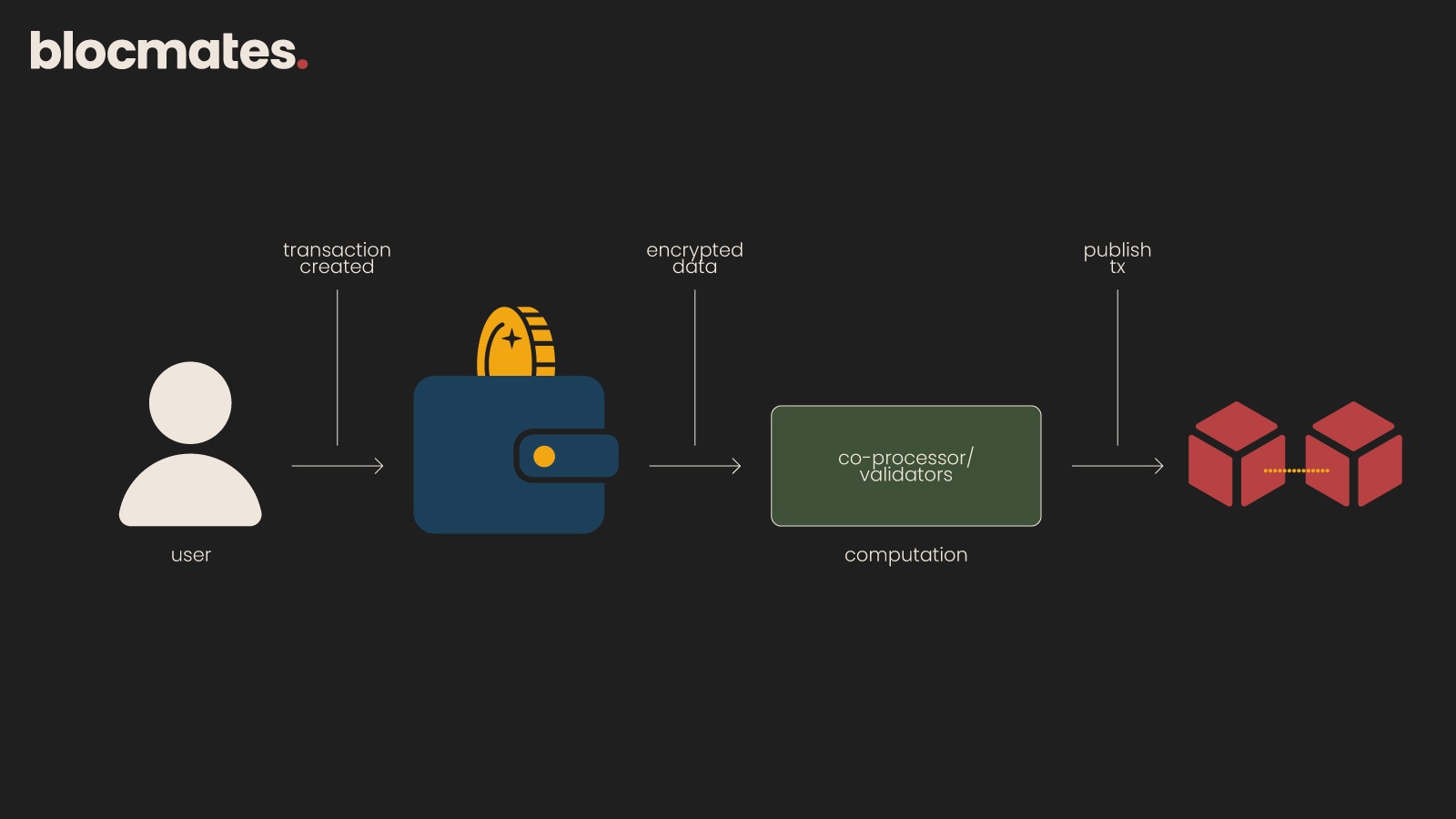
Picture a tokenized private credit fund: investors encrypt their positions offchain, submitting ciphertexts to an FHE-enabled vault. The smart contract homomorphically aggregates yields from oracle-fed rates, distributing shares without unmasking balances. Compliance? Threshold rules check investor accreditation on encrypted identities, flagging violations privately. This isn’t theory; Fhenix’s FHE-Rollups paper prototypes exactly such flows, settling on Ethereum L2s for gas efficiency.
Real-World Applications: From Bonds to Portfolio Analysis
Institutional RWAs demand more than basic tokenization. Bonds require interest accruals on masked principals; real estate funds need cap rate computations blind to holdings. FHE toolkits shine here, powering homomorphic encryption for assets in DeFi protocols. My experience in portfolio management reveals the edge: privacy-preserving analytics let funds signal strength via encrypted benchmarks without tipping strategies.
Comparison of FHE Tools for RWA Tokenization
| Tool | Key Feature | Ethereum Integration | Use Case |
|---|---|---|---|
| FHEVM (Zama) | Encrypted VM | Native EVM | Privacy-preserving RWA tokenization with encrypted data processing and confidential transactions on Ethereum |
| FHE-Rollups (Fhenix) | L2 Confidential Contracts | Rollup scaling | Private ERC-20 tokens for RWAs, sealed-bid auctions, and private voting mechanisms |
| HElium | PRE Compiler | Developer automation | Simplified development of privacy-preserving RWA applications via automated FHE optimizations |
ERC3643 tokens gain superpowers when paired with these. Permissioned transfers encrypt sender-receiver links, thwarting MEV bots. Sealed-bid auctions for illiquid RWAs become feasible, bidders submitting encrypted offers revealed only post-consensus. Zama’s FHEVM, as noted in recent coverage, operationalizes this on Ethereum, preserving the chain’s decentralization ethos.
Value investors like myself prioritize protocols blending FHE with stablecoin yields. Encrypted positions in tokenized treasuries compute APYs privately, feeding into DeFi lending without exposure. This measured evolution sidesteps zk’s circuit rigidity, offering flexible ops for evolving RWA standards.

Overcoming FHE’s Computational Hurdles
FHE’s bootstrap operations, essential for noise management, historically spiked costs. Yet optimizations in TFHE schemes cut latencies dramatically. FHE-Rollups offload via L2s; FHEVM leverages GPU-accelerated circuits. HElium’s compiler, per its arXiv paper, automates optimizations, dropping setup times from weeks to hours. For developers, FHEToolkit. com aggregates these: Rust crates for circuit design, JS wrappers for frontend encryption, and testnets mimicking Ethereum’s FHEVM.
Steps to Deploy FHE-Secured RWA Vault
-
Encrypt asset data with TFHE keys: Use Zama’s TFHE library to encrypt sensitive RWA details like ownership and values, enabling computations without decryption.
-

Deploy ERC3643 base with FHE proxy: Implement the ERC3643 standard for permissioned RWA tokens, augmented by an FHE proxy contract for encrypted state management.
-
Integrate FHEVM opcodes for yield calc: Incorporate Zama’s FHEVM opcodes to perform confidential yield calculations on encrypted data within Ethereum smart contracts.
-
Settle via rollup for scale: Leverage FHE-rollups like Fhenix for scalable, private settlements, offloading computations while maintaining Ethereum security.
-

Audit homomorphic compliance checks: Conduct thorough audits verifying FHE scheme correctness, including TFHE compliance and proxy re-encryption integrity for RWA security.
Challenges persist, like oracle encryption. Solution: homomorphic aggregation of multiple feeds yields confidential medians. Regulatory alignment favors FHE’s auditability; decrypted logs post-facto satisfy KYC without live exposure. From a CFA perspective, these tools fortify balance sheets, enabling private RWAs on Ethereum that attract conservative capital.
Market primers from MarketVector and Hilbert underscore tokenization’s trillions-scale potential, yet privacy lags. FHE closes it, as Ethereum Research’s actor map illustrates: concerted pushes from Zama, Fhenix, and beyond. FHEToolkit. com stands ready with curated resources, tutorials for confidential tokenization toolkits, and libraries tuned for RWA vaults. Sustainable protocols built today on FHE will underpin tomorrow’s onchain economy, rewarding patient builders over fleeting speculators.
About the Author