In the volatile arena of decentralized exchanges, where transparent order books invite front-running and market manipulation, developers crave tools that shield trades without sacrificing blockchain’s core tenets. Fhenix’s integration of Fully Homomorphic Encryption (FHE) on Arbitrum delivers exactly that: confidential DEX development through encrypted computations that process data in ciphertexts, never plaintext. As Arbitrum’s ARB price holds at $0.1107 amid a 24-hour dip of $0.007880 (-0.0665%), this layer-2 powerhouse positions itself for privacy-driven growth in DeFi.

FHE toolkits from Fhenix, optimized for FHE toolkit Arbitrum workflows, let EVM developers embed privacy via CoFHE, their FHE coprocessor. This off-chain layer handles heavy encrypted math, returning results to on-chain contracts seamlessly. No forks, no sidechains, just a single line of code unlocks computations up to 50 times faster than rivals in decryption benchmarks. For confidential DEX FHE, this means private order matching, hidden liquidity pools, and shielded price oracles, all while preserving composability.
CoFHE’s Edge in Private Onchain DEX on Arbitrum
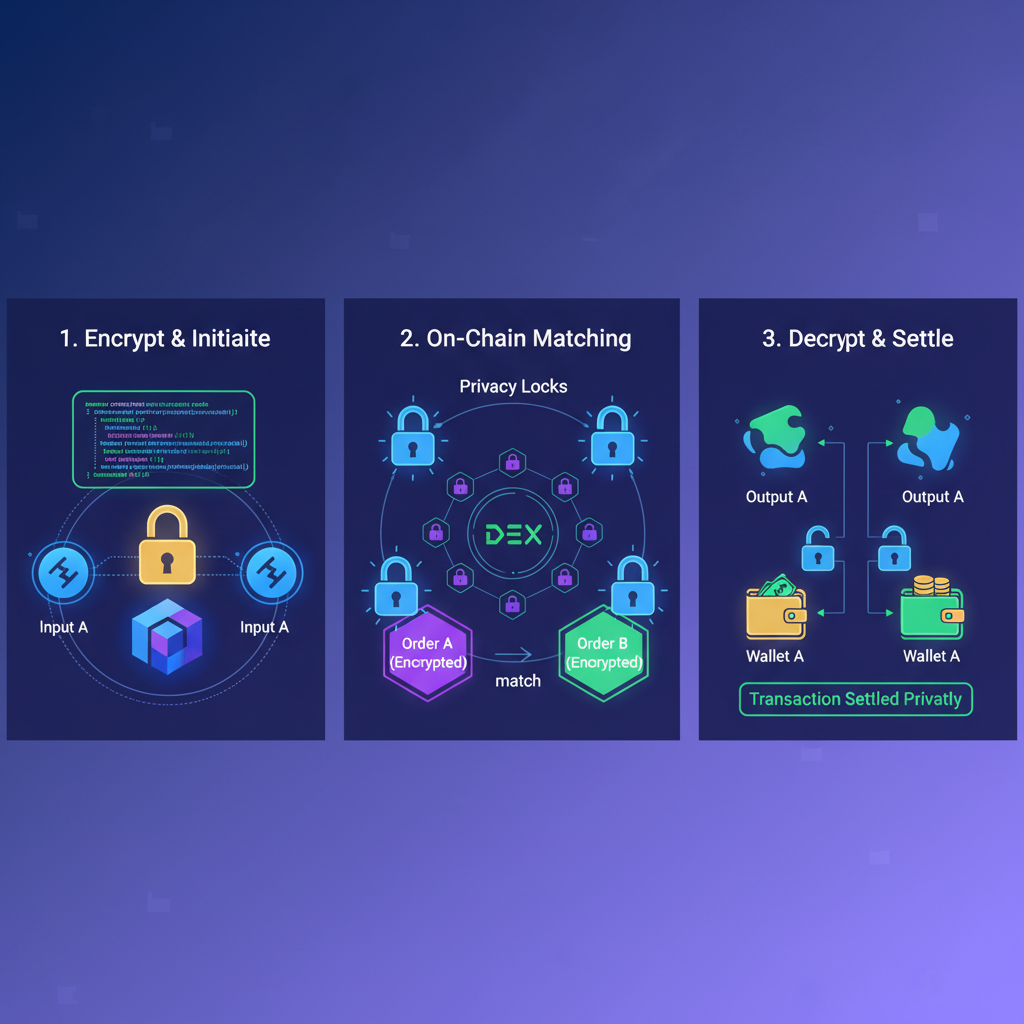
Arbitrum’s scalability pairs perfectly with Fhenix’s CoFHE, enabling private onchain DEX Arbitrum apps that rival centralized exchanges in confidentiality. Traditional DEXes leak every swap detail; FHE encrypts inputs at the wallet level, computes aggregates like weighted averages for AMMs without decryption, and outputs encrypted results verifiable on-chain. Fhenix’s docs highlight tutorials for just this: from basic encrypted arithmetic to full confidential smart contracts.
Fhenix brings encrypted computation to blockchain applications, enabling privacy without compromising decentralization or composability. (Arbitrum Blog)
Caution tempers enthusiasm here. FHE’s computational overhead demands thoughtful design; not every DEX function suits homomorphic ops yet. Start small, like confidential credit scoring or private voting in DAOs, scaling to order books as toolkits mature. With ARB at $0.1107, testing on Arbitrum testnets incurs minimal gas risk, but production demands rigorous audits for cipher security.

Mastering Fhenix FHE Developer Guide Essentials
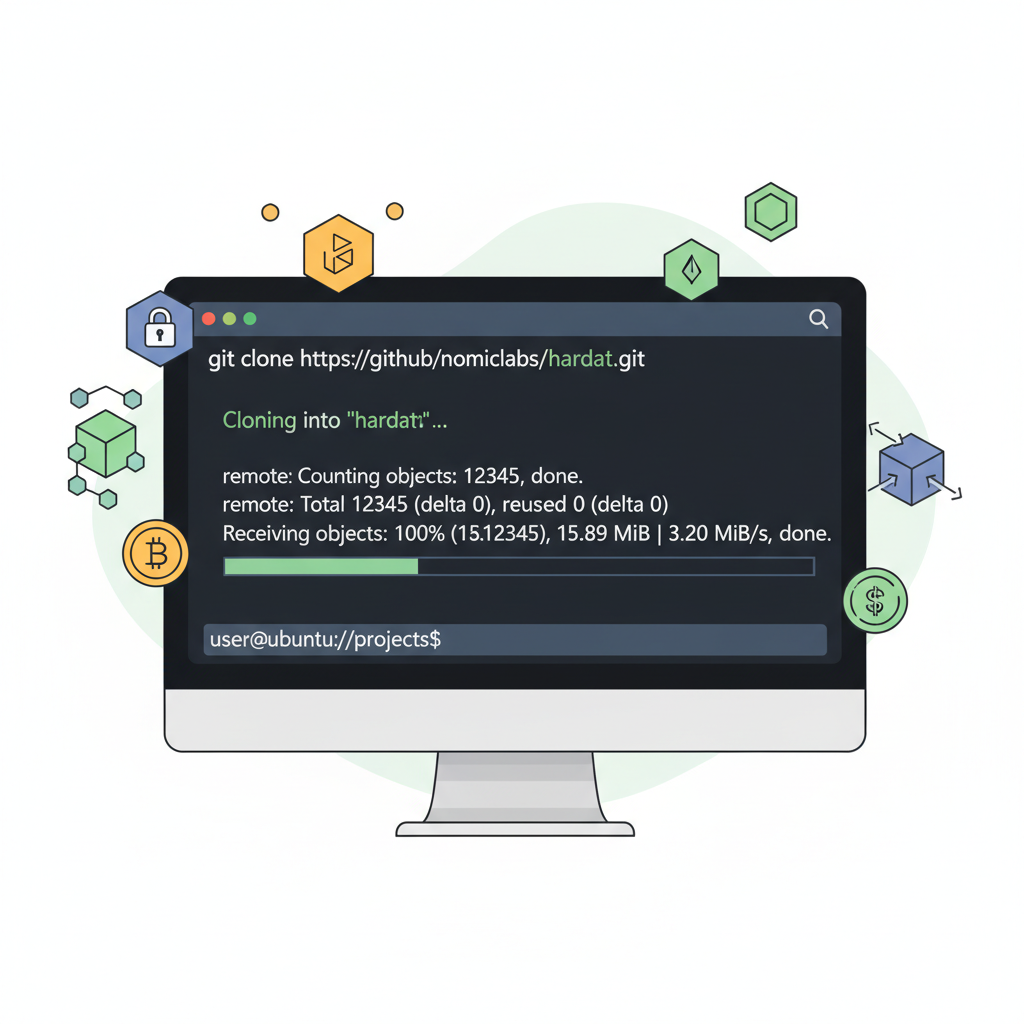
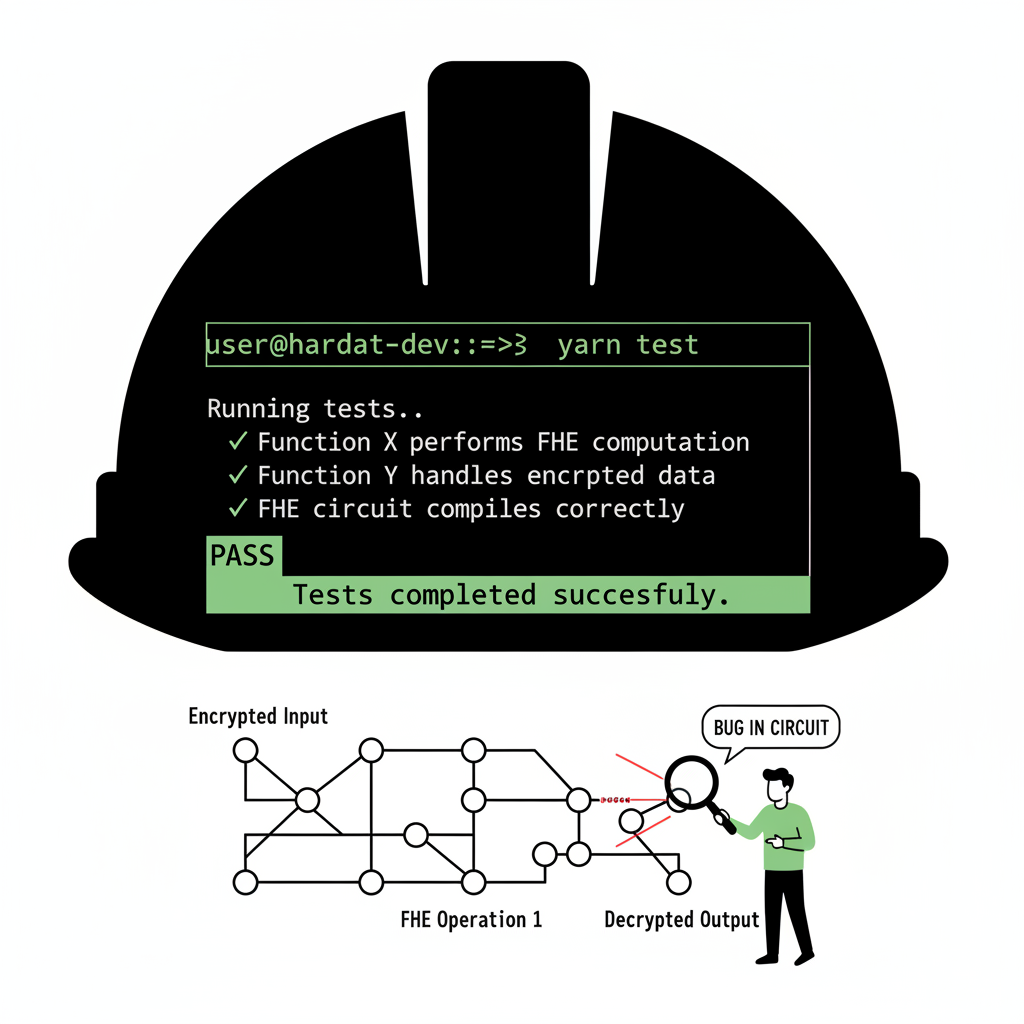
Dive into Fhenix’s Fhenix FHE developer guide via their Quick Start: clone the cofhe-hardhat-starter repo for a battle-tested Hardhat template. It bundles Solidity libs for FHE ops, JS tooling for encryption, and mock contracts mimicking CoFHE nodes. Local setup mimics production, letting you iterate encrypted smart contracts Arbitrum offline.
Quick Start: Set Up CoFHE Hardhat Starter for Confidential DEX on Arbitrum
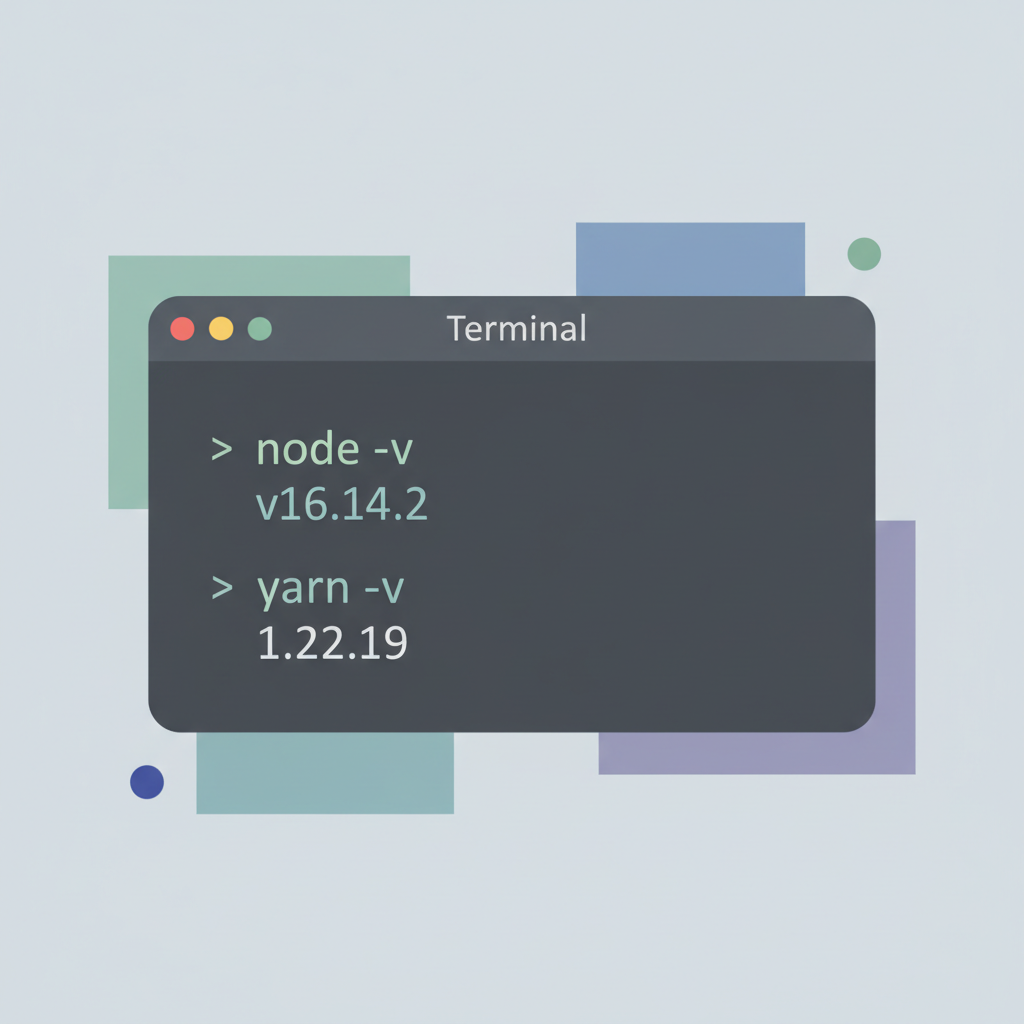
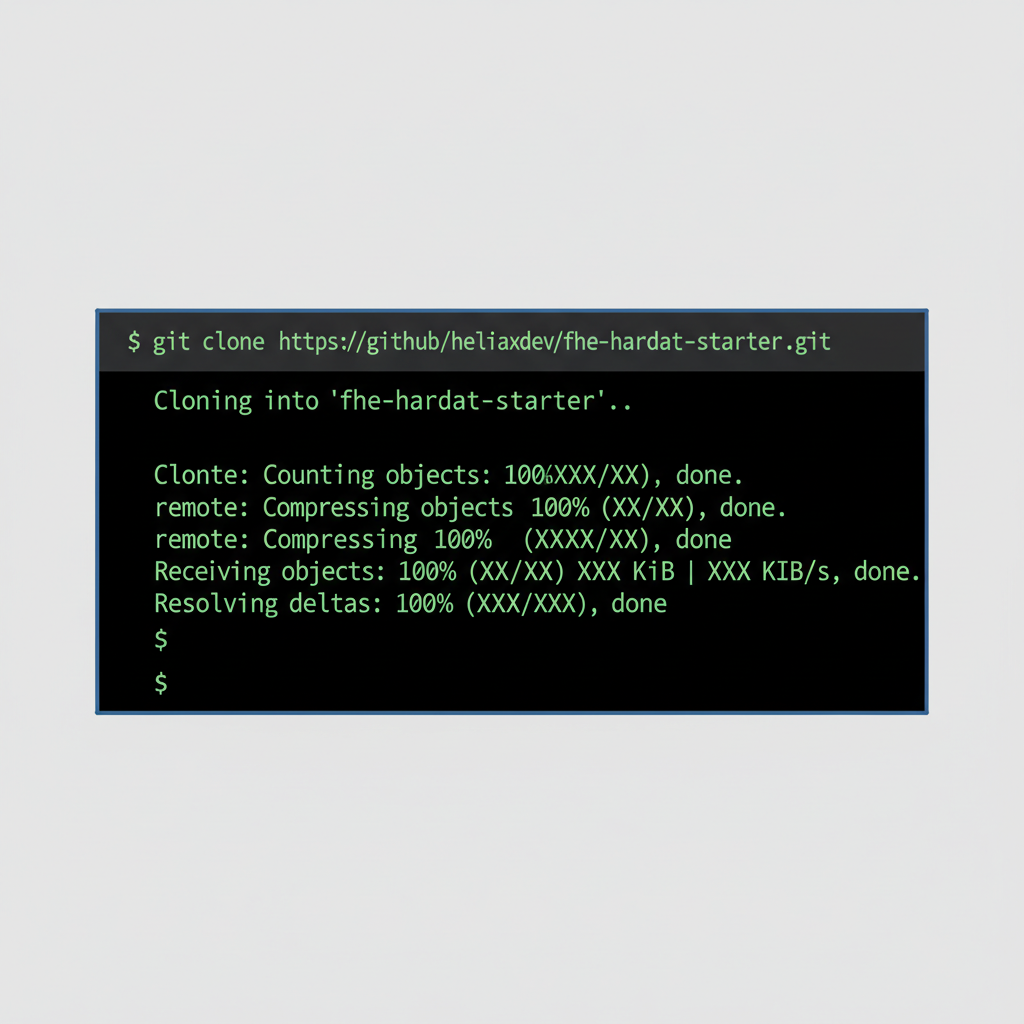
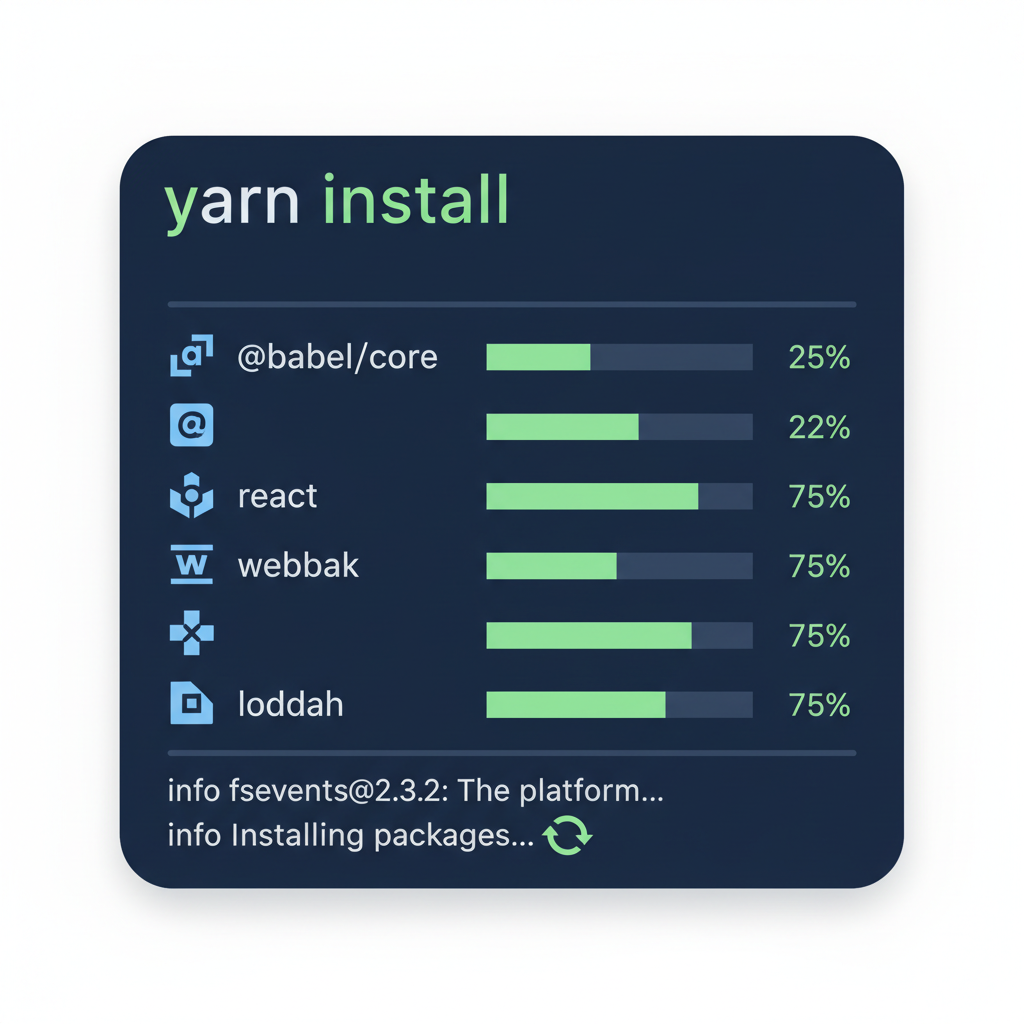
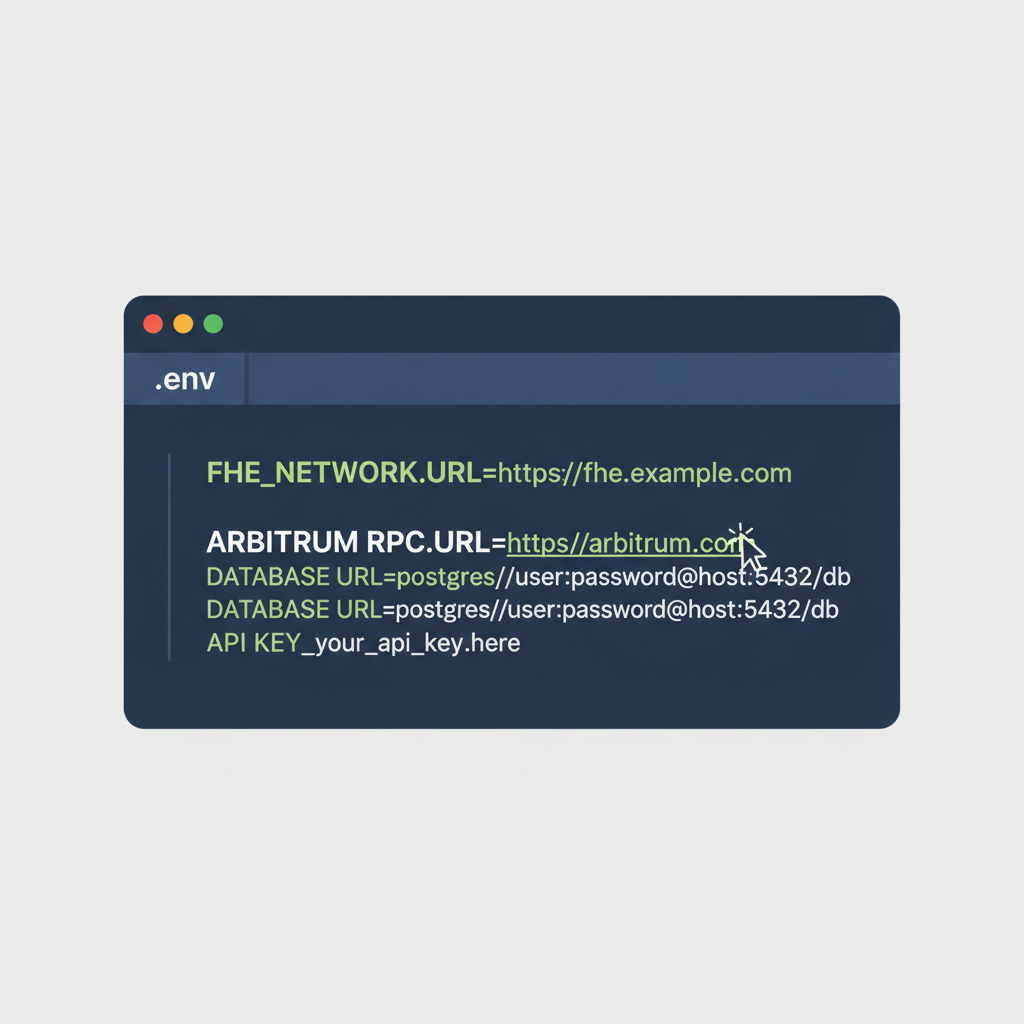
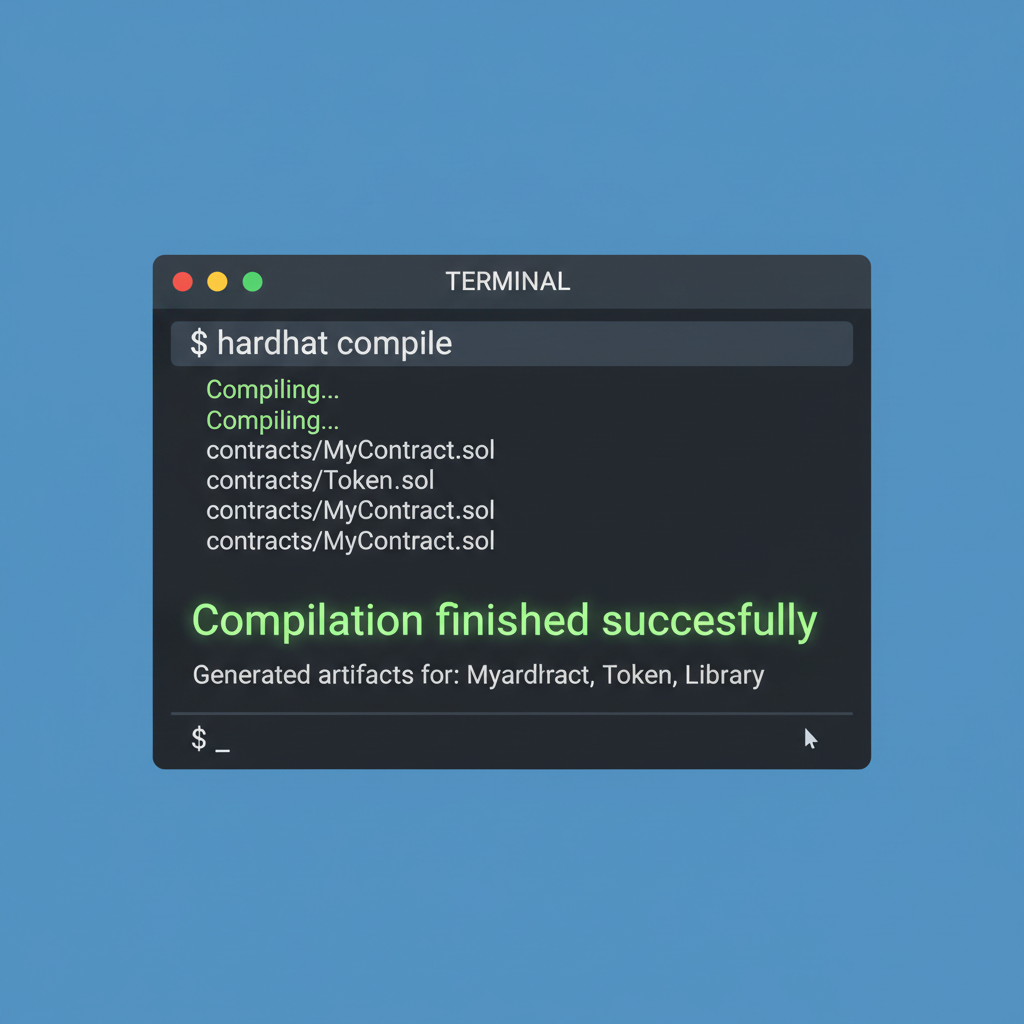
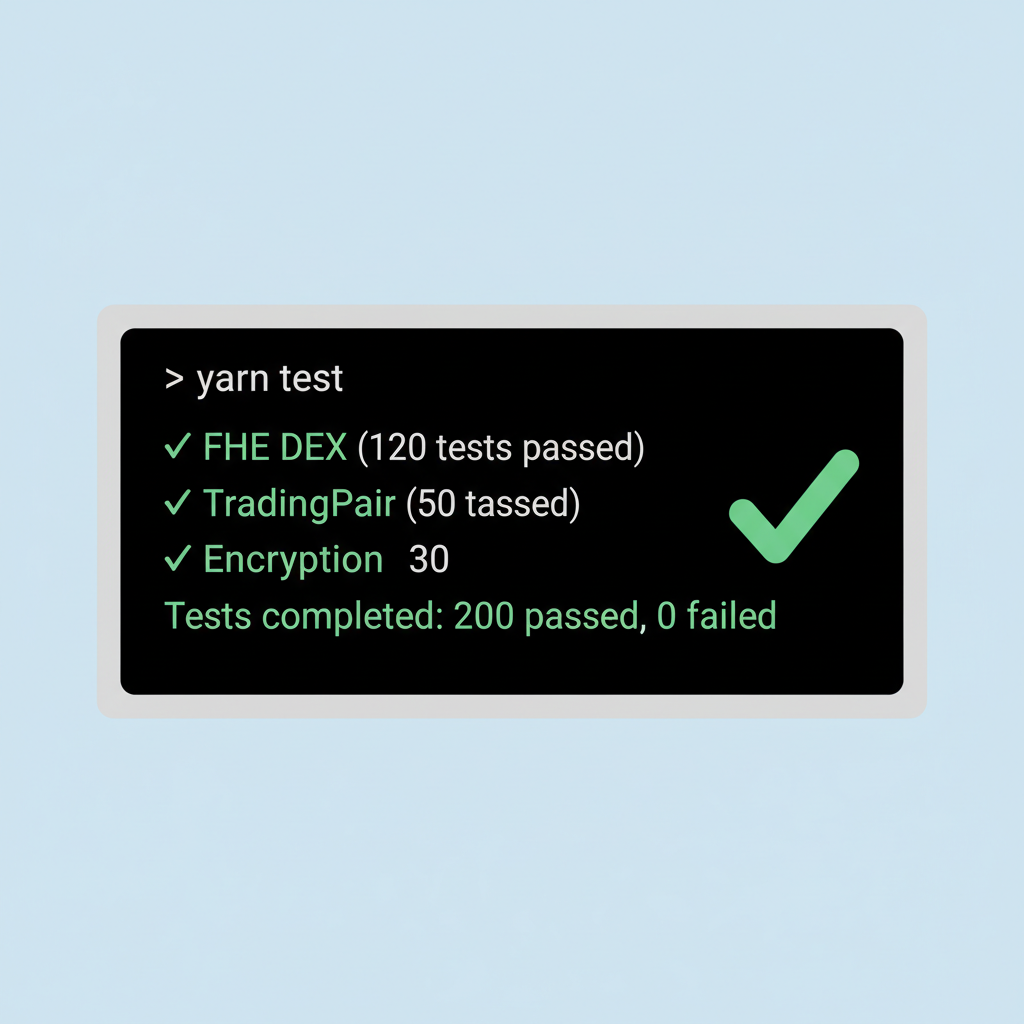
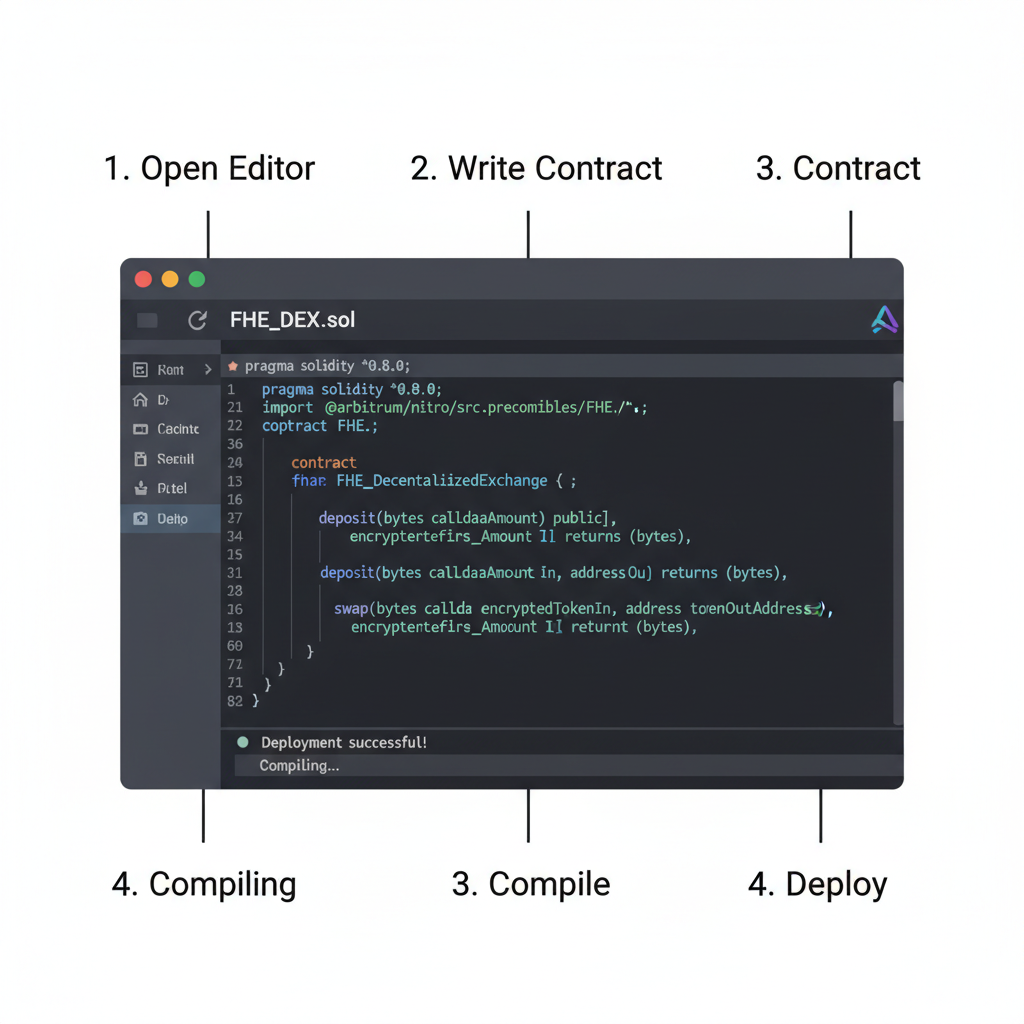
Key opinion: this starter outshines fragmented alternatives by prioritizing EVM compatibility. Install Node, Yarn, then npx create-cofhe@latest my-fhe-dex; it scaffolds contracts like EncryptedSwap. sol with fhe. mul and fhe. add primitives. Tutorials cover encrypted DEX invariants: verify pool balances homomorphically, match orders without revealing sizes.
Fhenix’s NEO AI Assistant accelerates learning, training on CoFHE patterns to debug your circuits. Pair it with their tutorial overview for DEX-specific flows, like confidential TWAP oracles that aggregate off-chain feeds privately. Tandem’s investment via Offchain Labs underscores Arbitrum’s FHE bet, unlocking use cases from private lending to shielded perps. As ARB lingers at $0.1107 after touching $0.1196 high, FHE adoption could catalyze rebounds by attracting privacy-focused TVL. Factoring FHE-Powered Confidential DEX Growth on Arbitrum via Fhenix ARB’s integration with Fhenix’s CoFHE for confidential DEXes positions it for strong growth from its 2026 baseline of $0.11. Predictions reflect bullish scenarios driven by privacy DeFi adoption (max prices), conservative recoveries amid market cycles (min prices), and averaged moderate expansion through technological and ecosystem advancements. Disclaimer: Cryptocurrency price predictions are speculative and based on current market analysis. Ecosystem builders note CoFHE’s real-time speeds enable live DEX trading; a credit scoring dApp demo on Arbitrum proves viability without trust compromises. Developers, heed this: prototype rigorously, as FHE’s novelty amplifies smart contract risks in volatile markets like today’s ARB downtrend. That downtrend in ARB, from $0.1196 to $0.1107, mirrors the broader DeFi caution; FHE adds computational layers that savvy developers must benchmark against gas limits and latency spikes. My 14 years managing forex and stock risks taught me one truth: privacy tech amplifies upside but demands ironclad circuit optimization to avoid exploits in live trading. Fhenix’s tutorial overview stands out in the FHE toolkit Arbitrum landscape, sequencing from Quick Start basics to advanced confidential DEX FHE patterns. Begin with local env setup: spin up a CoFHE node mock, encrypt sample reserves, then compute invariant checks like x * y = k for AMMs entirely homomorphically. These guides stress real-world pitfalls, such as key management under wallet integrations or handling noisy FHE outputs that require bootstrapping for precision trades. Opinion ahead: skip generic ZK intros; Fhenix’s paths prioritize EVM devs, weaving in Arbitrum-specific optimizations like faster L2 finality for decrypted results. Pair this with their NEO AI for instant feedback on malformed fhe. decrypt calls, turning trial-and-error into streamlined prototyping. For private onchain DEX Arbitrum, one tutorial demos encrypted order books: users submit ciphered bids, CoFHE matches without exposure, settling on-chain only post-match. Building encrypted smart contracts Arbitrum isn’t plug-and-play glory; FHE’s overhead means selective ops only. Reserves multiplication? Ideal. Complex perps with leverage? Defer to hybrids until CoFHE latencies shrink further. From my FRM lens, treat FHE like high-vol forex pairs: correlate encrypted cross-market data for alpha without MEV leakage, but audit for side-channel leaks in padding schemes. A Medium deep-dive on Arbitrum credit scoring via CoFHE illustrates the blueprint: inputs encrypted client-side, scored off-chain privately, results verifiable on-chain. No forks needed, preserving Arbitrum’s composability. Yet, caution: in today’s ARB dip of -0.0665%, rushed deploys risk amplified losses if decryption races fail under congestion. CoFHE enables real-time confidential computation with decryption speeds up to 50 times faster than competitors. (Fhenix Ecosystem) Strategic plays shine here. Tandem’s backing signals institutional bets on FHE-DeFi convergence, potentially juicing ARB back toward $0.1196 highs as TVL flocks to shielded pools. Developers, prototype with cofhe-hardhat-starter’s mocks, then mainnet cautiously; integrate FHE for niche edges like private MEV auctions before full DEX overhauls. Ultimately, Fhenix equips you to forge DEXes where trades stay sovereign, computations silent. With ARB steady at $0.1107, now’s the window to build resilient privacy layers that outlast market swings. Master these toolkits, mitigate the unknowns, and claim your edge in confidential DeFi. Strategic Investments Fuel FHE-DEX Innovation
Arbitrum (ARB) Price Prediction 2027-2032
Year
Minimum Price
Average Price
Maximum Price
YoY % Change (Avg from Prev)
2027
$0.15
$0.35
$0.60
+218%
2028
$0.30
$0.70
$1.20
+100%
2029
$0.50
$1.20
$2.50
+71%
2030
$0.80
$2.00
$4.00
+67%
2031
$1.20
$3.00
$6.00
+50%
2032
$1.50
$4.50
$8.00
+50%
Price Prediction Summary
Key Factors Affecting Arbitrum Price
Actual prices may vary significantly due to market volatility, regulatory changes, and other factors.
Always do your own research before making investment decisions.Tutorials That Turn FHE Novices into DEX Architects
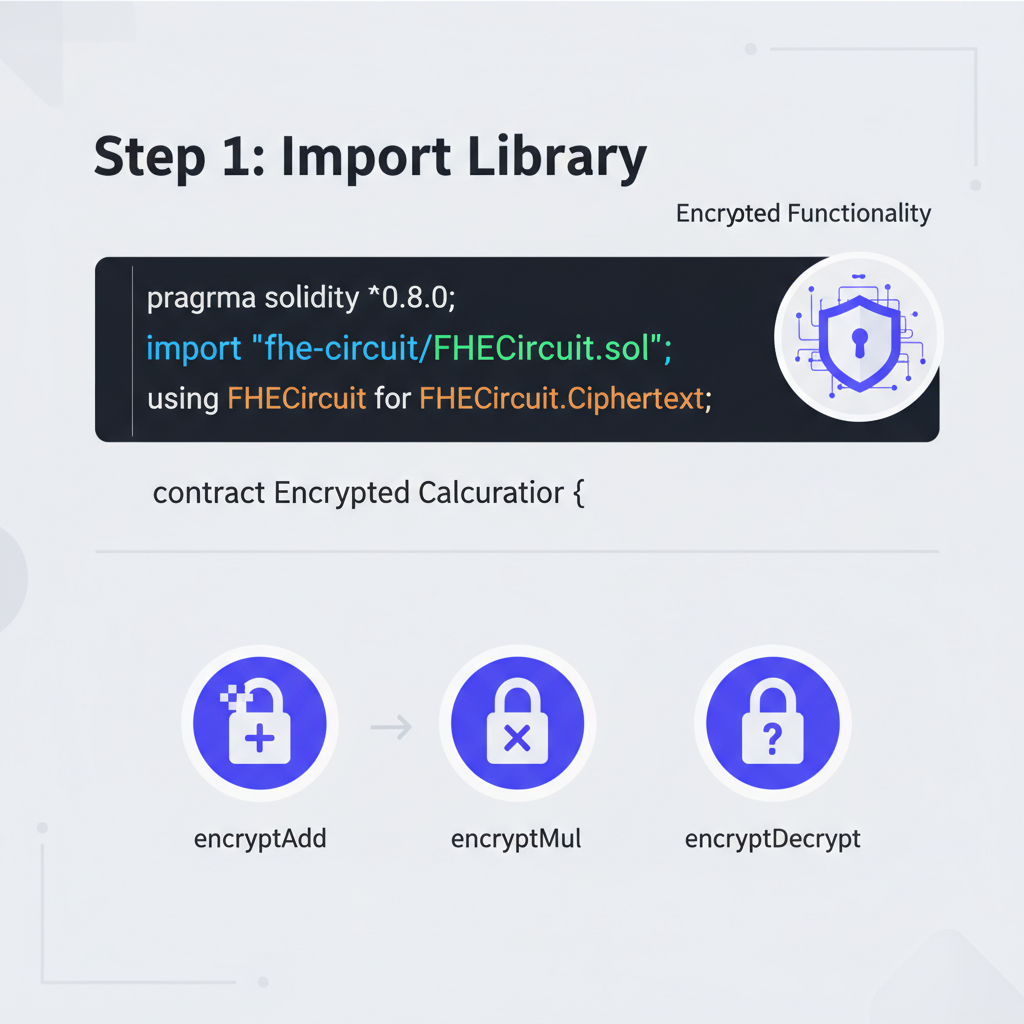
Unlock FHE Basics & Build Private DEX Contracts on Arbitrum with Fhenix CoFHE



Risks and Rewards in Encrypted Smart Contracts Arbitrum
About the Author