
Blockchain protocols are scaling at breakneck speed, but this growth exposes a critical vulnerability: public ledgers leak sensitive data with every transaction. Enter FHE toolkits onchain, the linchpin for private onchain compute scaling. These toolkits harness fully homomorphic encryption to process encrypted data directly on-chain, preserving confidentiality amid surging throughput demands. Solana’s ecosystem, boasting 43 infrastructure tools as of 2025, exemplifies the rush toward high-performance chains, yet privacy lags. FHE bridges this gap, enabling homomorphic encryption blockchain protocols that compute on ciphertexts without decryption, a methodical safeguard against exposure in Web3’s unforgiving arena.


Solana’s high-throughput design processes millions of transactions per second, drawing developers with tools like Anchor and QuickNode. Yet, as privacy ecosystems evolve, projects grapple with transparent state exposure. Ethereum scalers like Starknet turn to zk-toolboxes such as ZoKrates, but zero-knowledge proofs falter under complex computations. Here, encrypted compute Web3 libraries shine: FHE permits arbitrary operations on encrypted inputs, ideal for DeFi risk models or confidential auctions. My 11 years mitigating crypto derivatives risks underscore this: unchecked visibility amplifies tail risks, from front-running to regulatory scrutiny. FHE toolkits mitigate these privately, aligning with a conservative hybrid adoption path.
Unpacking FHE’s Role in Protocol Scalability
Scaling demands more than sharding or rollups; it requires computations that scale privately. Traditional blockchains broadcast inputs, inviting exploits. FHE flips the script: encrypt data off-chain, compute homomorphically on-chain, decrypt only results. This suits Solana’s Rust-based efficiency, where tools like Helius aid migrations from Ethereum. Recent privacy explorations on Solana highlight innovations, but FHE elevates them, supporting encrypted state machines without trusted setups.
Consider the risk calculus. Public onchain compute invites oracle manipulations or MEV predation. FHE-secured simulations, as I’ve deployed in derivatives, model exposures without revealing positions. For protocols, this means scalable confidential smart contracts, reducing systemic risks in congested networks.
Essential FHE Toolkits
-

Fhenix: Ethereum L2 with FHE Rollups and Coprocessors for confidential smart contracts. Fully EVM-compatible, supports Solidity. EigenLayer collaboration; mainnet January 2025.
-

Zama: Protocol with FHEVM library enabling encrypted data computations for Solidity. Ethereum mainnet Q4 2025, starting permissioned.
-
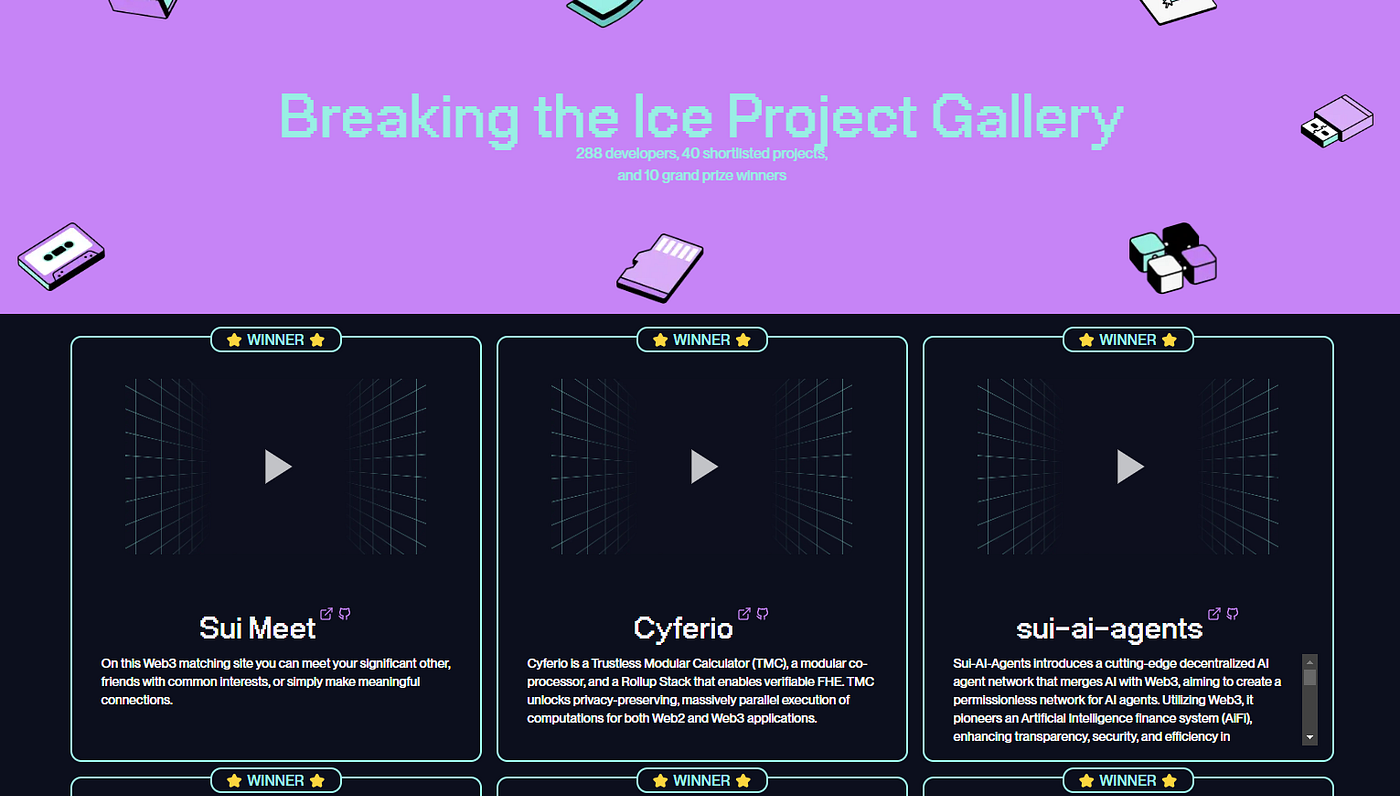
Cyferio: Scalable FHE Rollups for confidential compute without decryption, addressing privacy tech limits.
Spotlighting Pioneering FHE Projects
Fhenix leads with Ethereum Layer 2 FHE rollups and coprocessors, fully EVM-compatible for Solidity devs. Their EigenLayer collaboration targets FHE in smart contracts, mainnet eyed for early 2025. This isn’t hype; it’s deployable confidentiality for scaling Ethereum, sidestepping ZK’s proof bloat.

Zama’s protocol layers confidentiality atop blockchains via FHEVM, computing on encrypted data seamlessly. Roadmap hits Ethereum mainnet Q4 2025, starting permissioned for vetted apps before permissionless. Risk-aware rollout tempers enthusiasm: vetted deployments curb early exploits, echoing enterprise blockchain prudence.
Cyferio tackles FHE rollups head-on, unlocking scalable encrypted compute beyond ZK limits. No decryption needed, pure homomorphic ops. In Solana’s orbit, such tools complement privacy suites, fortifying high-TPS chains against data leaks.
Developer Tooling for FHE Integration
Adopting FHE demands robust libraries. Solana devs leverage Anchor for streamlined programs; pair it with FHE crates for encrypted PDAs. Ethereum migrants use Test Drive for rent estimates, now extensible to homomorphic validators. GitHub’s crypto OSINT lists signal forensics tools, but FHE preempts investigations by encrypting at source.
FHE integration starts with crates like those from Zama’s FHEVM, which compile Solidity to homomorphic circuits. For Solana, Rust bindings enable encrypted program-derived addresses (PDAs), shielding account states from prying eyes. QuickNode’s infrastructure backbone supports these, processing FHE-heavy RPCs without latency spikes. Yet, risk lurks in scheme selection: TFHE suits bootstrappable ops but demands careful noise management to avoid decryption failures under load.
Risks in FHE Deployment and Mitigation Strategies
Deploying FHE toolkits onchain isn’t plug-and-play; ciphertext expansion multiplies storage costs 100x or more, straining Solana’s rent model. I’ve simulated this in derivatives: a single homomorphic multiplication balloons data, risking DoS via exhaustion. Mitigation? Bootstrap sparingly, favor packed encodings, and hybridize with ZK for proofs. Cyferio’s rollups optimize this, compressing ciphertexts for scalable private onchain compute scaling.
Quantum threats loom too. Post-quantum toolkits like 01 Quantum’s migration paths prepare chains, but FHE’s lattice hardness offers interim resilience. Conservative stacks layer NIST-approved KEMs atop TFHE, hedging Q-Day without overhauling protocols. In my FRM practice, this hybrid tempers volatility: encrypt positions, simulate VaR homomorphically, reveal only aggregates. Blockchain equivalents secure lending pools or AMMs, computing yields privately amid market swings.
Comparison of Leading FHE Projects for Blockchain
| Features | Chain Support | Launch Timeline | Risk Profile |
|---|---|---|---|
| FHE Rollups & Coprocessors for confidential smart contracts, EVM-compatible, Solidity support, EigenLayer collaboration | Ethereum (EVM L2) | January 2025 (mainnet) | Medium (major partnerships, near-term launch) |
| FHEVM library, confidentiality layer for blockchains, computations on encrypted data, permissioned to permissionless rollout | Ethereum | Q4 2025 (mainnet) | Medium-High (structured roadmap) |
| Scalable FHE rollups, computations without decryption, confidential scalable computing | Solana-compatible | TBD (litepaper stage) | High (early development) |
Solana’s privacy ecosystem, from scanners to mixers, gains teeth with FHE. Tools like Backpack Exchange or Phantom wallets could embed homomorphic oracles, quoting prices encrypted. Developers migrating via Helius tools now factor FHE rent: Test Drive simulates encrypted account lifetimes, ensuring solvency. This methodical vetting curbs tail risks, prioritizing longevity over hype.
FHE’s Path to Mainstream Protocol Adoption
Protocols scale confidentially when FHE underpins state transitions. Imagine Solana validators homomorphically aggregating stakes, blinding individual exposures. Ethereum L2s like Fhenix prove EVM compatibility, easing Solidity ports. Zama’s permissioned ramp-up exemplifies risk-aware rollout: audit apps first, scale permissionless later. Cyferio pushes boundaries, enabling encrypted DEXs where orders match without reveal.
Challenges persist. Bootstrapping overhead slows complex circuits, but optimizations like packed slots shrink this. In high-TPS environments, FHE coprocessors offload to EigenDA, preserving onchain purity. My derivatives work reveals the payoff: homomorphic encryption blockchain protocols model Black-Scholes on encrypted vols, outputting Greeks privately. Web3 mirrors this for options vaults or prediction markets, scaling without leaks.
Toolkits evolve rapidly. Alchemy’s 43 Solana infra tools set the stage; integrate FHE via Rust crates for encrypted RPCs. GetBlock. io highlights Anchor’s primacy, now FHE-extended. OSINT lists underscore forensics’ rise, but proactive encryption obsoletes them. For devs, start small: encrypt a single accumulator in your program, measure gas, iterate.

Enterprise adoption favors this path. Conservative hybrids blend FHE with existing stacks, mitigating migration risks. Solana’s throughput pairs ideally, processing homomorphic ops at warp speed. As 2026 tools like Backpack’s suite mature, encrypted compute Web3 libraries become table stakes. FHEToolkit. com equips you: libraries, tutorials, simulators for private scaling. Risk managed privately indeed wins the long game, fortifying protocols against tomorrow’s threats while unlocking today’s scalability.
About the Author