
As Ethereum navigates volatility with its price at $1,944.73 – a 6.74% dip over the past 24 hours from a high of $2,096.75 – developers eye privacy as the next frontier for L2 scalability. Fully Homomorphic Encryption toolkits like Zama’s fhEVM and Fhenix stand out, transforming transparent blockchains into bastions of confidential compute without sacrificing composability.

FHE toolkits for Ethereum L2s address the core tension: public ledgers leak data, yet privacy unlocks DeFi yields, health records, and voting dApps. Zama’s fhEVM coprocessor and Fhenix’s CoFHE offload encrypted ops off-chain, hitting 20 transactions per second while keeping Solidity intact. This isn’t hype; it’s deployable now on Arbitrum and Sepolia, with mainnet eyes in Q1 2026.
Zama fhEVM: Coprocessor Backbone for Encrypted Smart Contracts
Zama’s fhEVM toolkit redefines fhEVM Zama toolkit standards by extending EVM without protocol forks. Developers write standard Solidity, encrypt inputs client-side, and the coprocessor handles symbolic execution plus threshold decryption. Data stays ciphertext on-chain; computations vanish off-chain to a networked prover set. Precision matters: at 20 TPS, it outpaces pure on-chain FHE, scaling via hardware ASICs Zama champions.
Concrete ML and TFHE-rs underpin this, letting data scientists compile Python ML models to FHE circuits. Build an encrypted Wordle on-chain? Done, as GitHub demos show. For Ethereum L2s like Arbitrum, fhEVM preserves gas efficiency – no VM bloat. Zama isn’t chasing apps; they’re forging post-cloud fabric, per dev chatter. Check this implementation guide for hands-on Ethereum deployment.
Fhenix CoFHE: Efficiency Layer for Private Onchain Compute
Fhenix’s CoFHE flips the script on Fhenix encrypted compute, deploying an off-chain FHE layer atop Ethereum mainnet and Arbitrum. Encrypted transactions process seamlessly, Solidity tweaks minimal. Intensive ops – homomorphic adds, multiplies – delegate to CoFHE, returning plaintext results only to authorized parties. Operational on Arbitrum Sepolia testnets, it’s L2-ready, boosting throughput where ZK proofs falter on latency.
Integration shines: Fhenix weaves Zama’s fhEVM natively, hailed by Zama as pivotal. Developers grab ETH on Sepolia, spin up FHE wallets via fhevm tools, and deploy. This duo nails encrypted smart contracts L2, sidestepping blockchain’s transparency trap. Concrete tools compile vanilla code to FHE; ML models run encrypted. Fhenix scales what fhEVM enables, targeting real-world dApps like private lending.
Ethereum (ETH) Price Prediction 2027-2032
Predictions factoring in FHE adoption on Ethereum L2s via Zama fhEVM and Fhenix CoFHE, from 2026 baseline of ~$2,000
| Year | Minimum Price ($) | Average Price ($) | Maximum Price ($) | YoY % Change (Avg from Prior) |
|---|---|---|---|---|
| 2027 | $1,800 | $3,500 | $5,800 | +75% |
| 2028 | $2,500 | $5,200 | $8,900 | +49% |
| 2029 | $3,200 | $7,100 | $12,000 | +37% |
| 2030 | $4,000 | $9,500 | $16,500 | +34% |
| 2031 | $5,000 | $12,000 | $21,000 | +26% |
| 2032 | $6,500 | $15,500 | $27,000 | +29% |
Price Prediction Summary
Ethereum’s price is forecasted to experience robust growth driven by FHE innovations like Zama’s fhEVM and Fhenix’s CoFHE, enabling confidential smart contracts on L2s. This enhances privacy, scalability, and DeFi adoption, with average prices rising progressively amid bullish market cycles, potentially reaching $15,500 by 2032 (over 7x from 2026 baseline). Min/max reflect bear/base/bull scenarios considering volatility, regulations, and competition.
Key Factors Affecting Ethereum Price
- FHE adoption via fhEVM and CoFHE for privacy-preserving smart contracts on Ethereum L2s
- Off-chain coprocessors boosting transaction speeds to 20+ TPS without chain modifications
- Increased DeFi, enterprise, and ML use cases on encrypted data
- Market cycles post-2026 with historical bull patterns
- Regulatory tailwinds for privacy tech and Ethereum ecosystem
- Competition from L1s but Ethereum’s dominance in L2 scaling and composability
Disclaimer: Cryptocurrency price predictions are speculative and based on current market analysis.
Actual prices may vary significantly due to market volatility, regulatory changes, and other factors.
Always do your own research before making investment decisions.
Synergy Unlocked: Zama fhEVM Meets Fhenix on Ethereum L2s
Pairing Zama fhEVM with Fhenix CoFHE yields composable confidentiality. fhEVM’s symbolic engine feeds CoFHE’s compute layer; results threshold-decrypt securely. On L2s, this hits private onchain FHE libraries sweet spot – no decryption on-chain, full EVM compatibility. Dev programs beckon: join for grants, tools. Amid ETH’s $1,944.73 hold, FHE positions L2s for trillion-dollar privacy economies. Dive into this FHEVM tutorial to prototype confidential logic today.
These toolkits demand FHE developer resources 2026 focus: Rust for TFHE-rs, Python for Concrete ML. Ethereum L2s evolve from speed demons to privacy powerhouses, with Zama and Fhenix leading the charge.
Hands-on builders prioritize these FHE toolkits Ethereum for their drop-in readiness. Zama’s fhEVM demands no chain upgrades, while Fhenix’s CoFHE slots into existing L2s like Arbitrum without friction. Both leverage TFHE-rs for core ops, where Rust crates encrypt scalars and vectors homomorphically. Precision scales: Zama’s ASIC push targets sub-second proofs, per X discussions on hardware-native privacy.
Developer Workflow: From Solidity to Encrypted Deployment
Start with client-side encryption using Concrete tools. Compile a simple ML predictor or auction logic to FHE circuits, then deploy via fhEVM’s coprocessor calls. Fhenix mirrors this: wrap ops in CoFHE requests, attest results on-chain. Amid ETH’s $1,944.73 consolidation – down 6.74% from $2,096.75 highs – these workflows future-proof dApps against data leaks in volatile markets.
fhEVM vs CoFHE Key Features
-

Zama fhEVM: Coprocessor enables confidential smart contracts on any EVM chain without protocol changes. Uses symbolic execution and threshold decryption; off-chain FHE network at ~20 TPS.
-

Fhenix CoFHE: Off-chain FHE layer processes encrypted data. EVM/Solidity compatible with minimal code changes; live on Ethereum mainnet, Arbitrum.
Real-world edge cases favor this stack. Private auctions hide bids until close; lending protocols mask collateral without oracles. Zama fhEVM’s symbolic execution catches errors pre-deploy, while Fhenix optimizes for L2 gas wars. GitHub’s encrypted Wordle proves playability; scale to DeFi, and yields compound privately.
Step-by-Step Ramp-Up: Prototype on Testnets Today
Deploy Your First Confidential Smart Contract: Zama fhEVM + Fhenix CoFHE on Arbitrum Sepolia


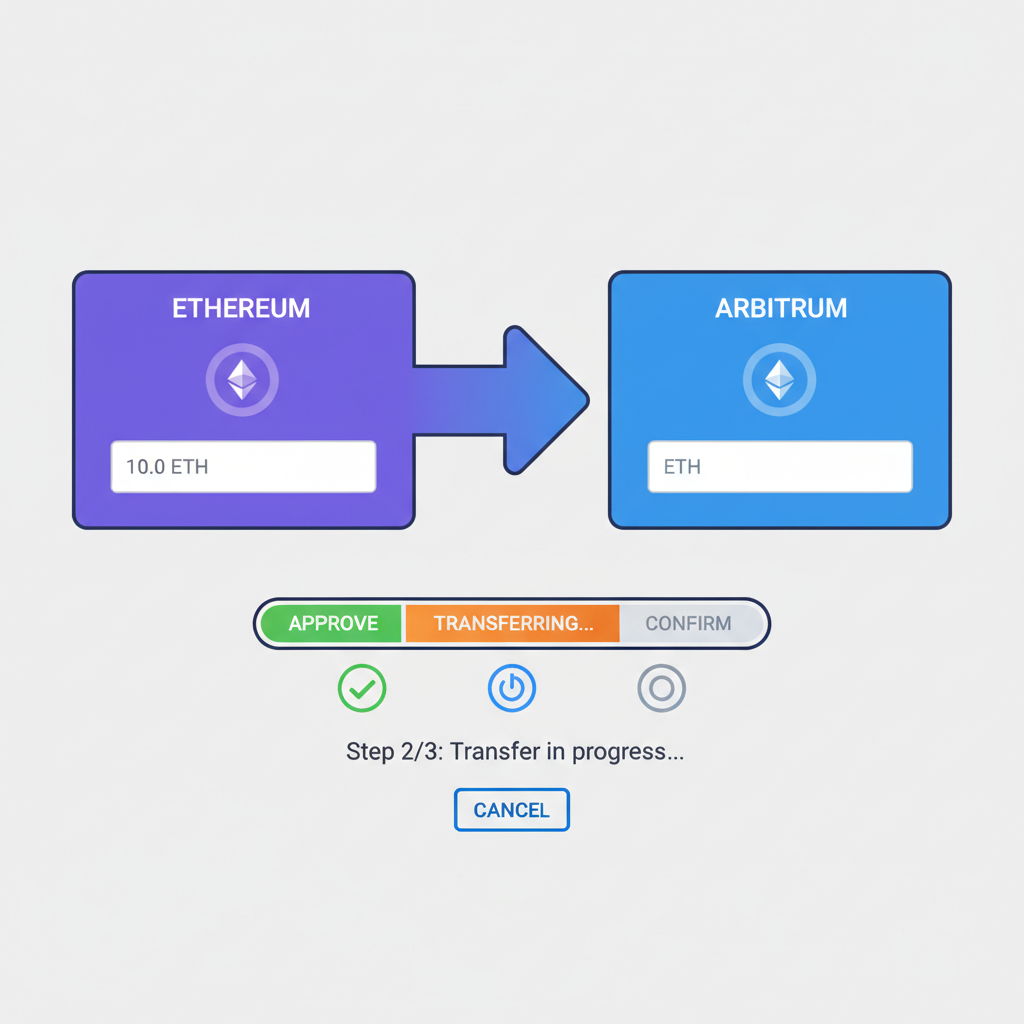
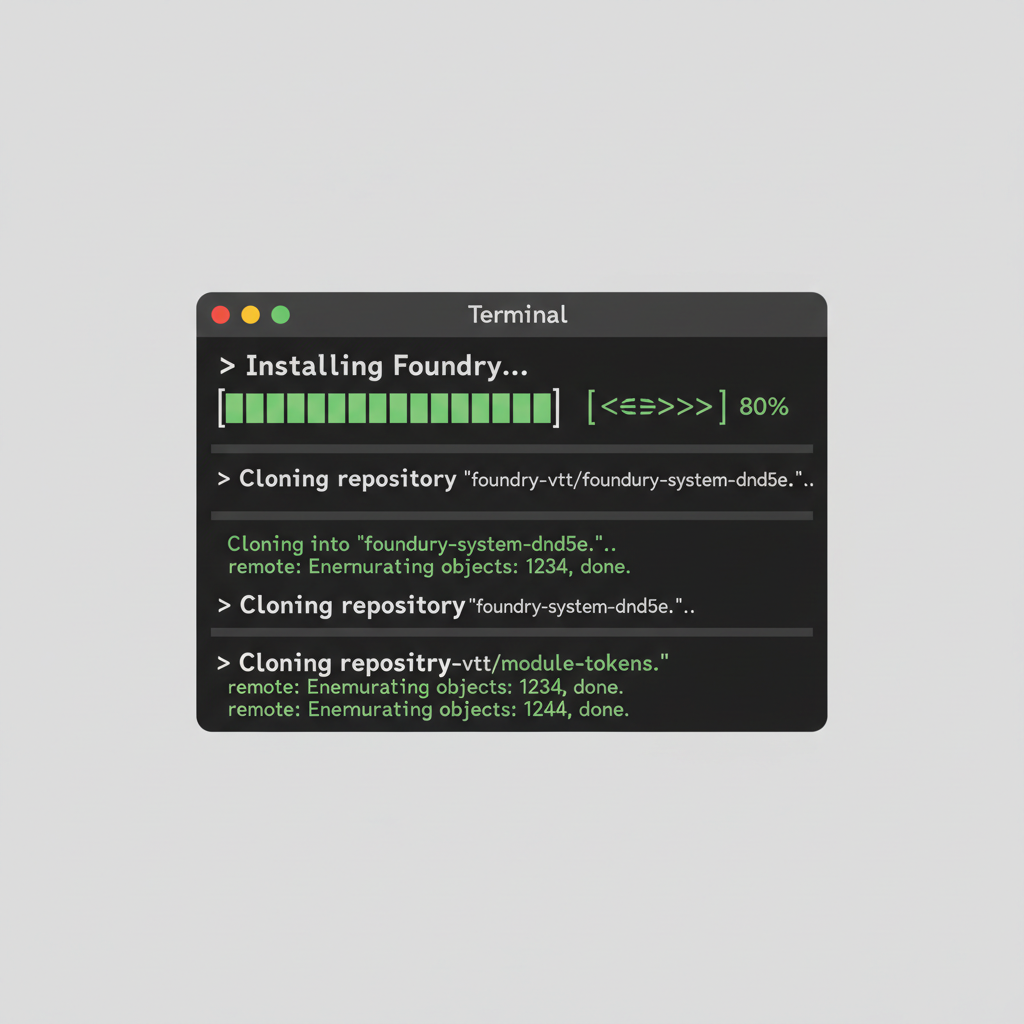
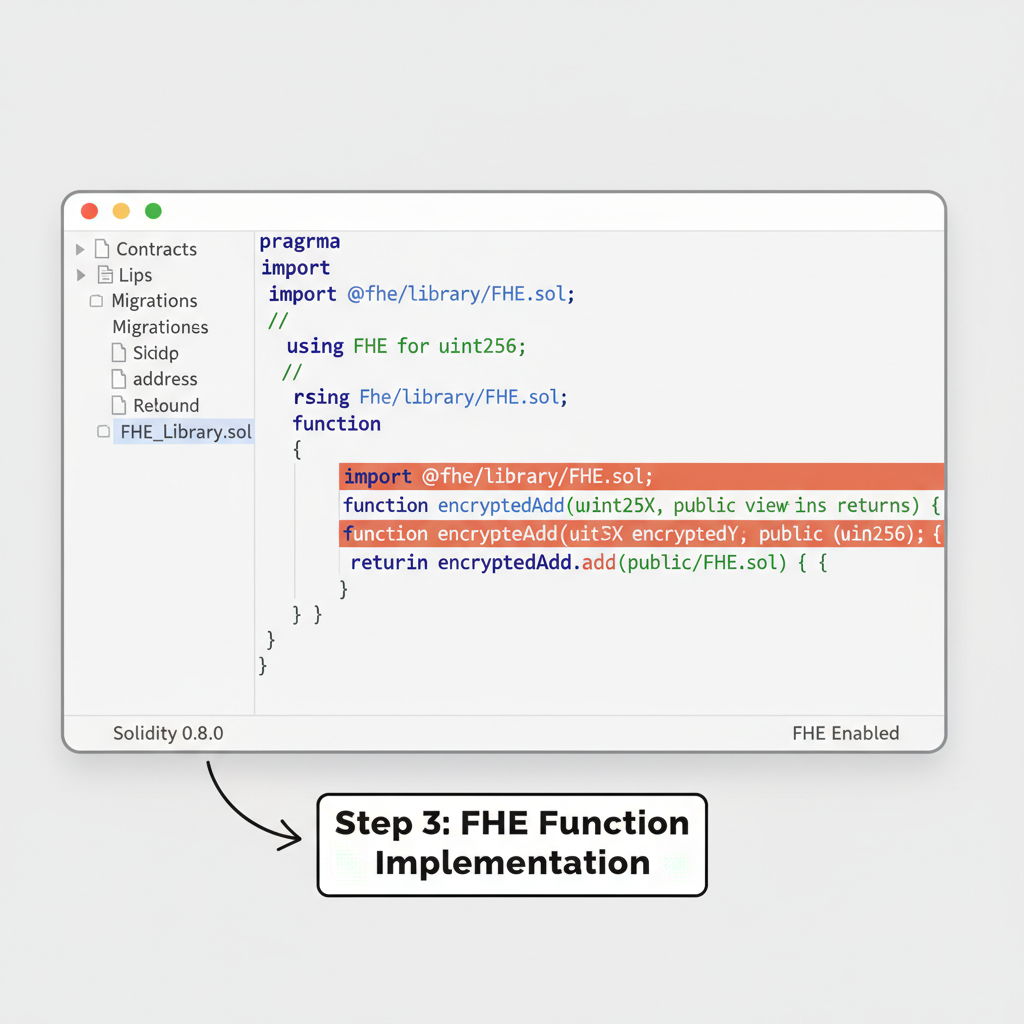
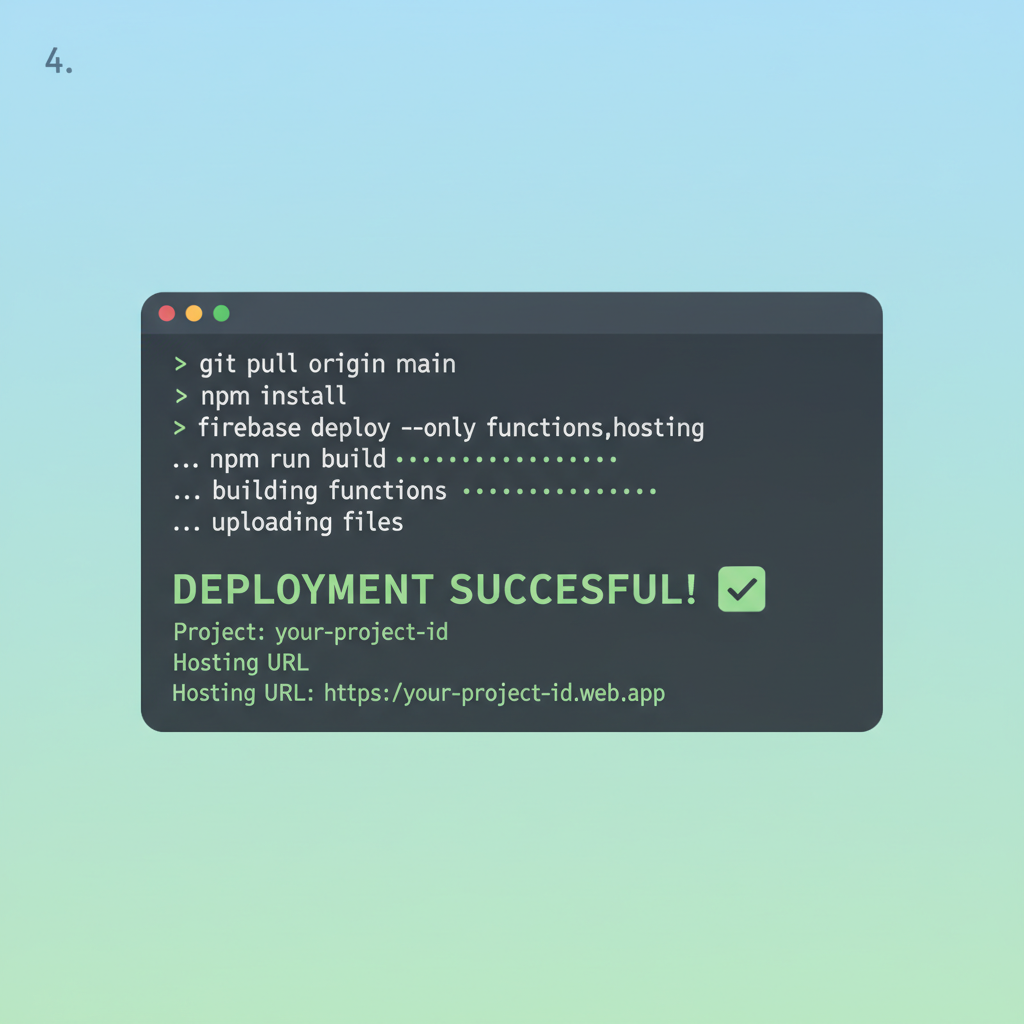


Post-deployment, monitor via FHE explorer tools. Zama’s dev program offers grants for fhEVM pilots; Fhenix dashboards track CoFHE latency. Ethereum L2s at $1,944.73 ETH signal maturity – privacy inflows could catalyze rebounds past recent $1,933.17 lows. Toolkits like these embed private onchain FHE libraries natively, outpacing MPC latency or ZK verifier overheads.
Challenges persist: FHE bootstrap costs chew gas initially, but off-chain scaling mitigates. Zama’s Concrete ML bridges data scientists, letting scikit-learn models predict encrypted yields. Fhenix counters with EVM purity – no new opcodes. Together, they forge encrypted smart contracts L2 viability, where composability meets confidentiality head-on.
Zama ships usable tools: Concrete compiles programs to FHE; Concrete ML runs models encrypted. Fhenix executes them scalably.
For Ethereum builders, 2026 hinges on adoption velocity. With fhEVM and CoFHE live on testnets, private DeFi volumes could eclipse public counterparts. Grab Sepolia ETH, encrypt your logic, and deploy – the rhythm of confidential chains beats louder as ETH holds $1,944.73. Explore Zama’s confidential Ethereum guide to lead the shift.
About the Author